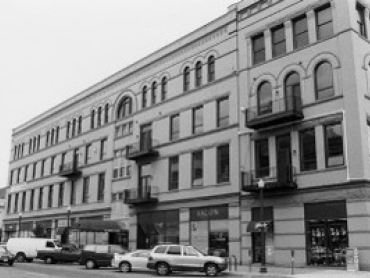
At the time of its construction in 1898, this four-story brick building, with rounded arched windows and brick corbelling, was the tallest building in the city.
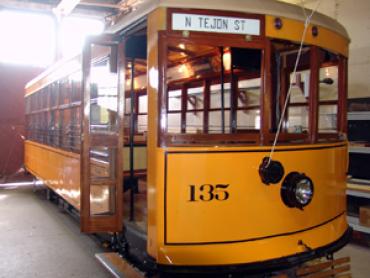
The Fort Collins Municipal Railway No. 22 streetcar is an excellent example of the engineering advances of the Birney-model streetcars utilized in Colorado. It reduced both procurement and operating costs compared to previous designs and was the first wide use of steel frame and body construction rather than wood in streetcars.
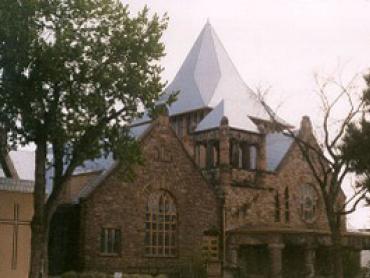
As one of the best examples of the Richardsonian Romanesque style in Colorado Springs, the 1889 building reflects the style in its broad roof planes, square tower crowned with a pyramidal roof, monumental massing, and rock-faced masonry.
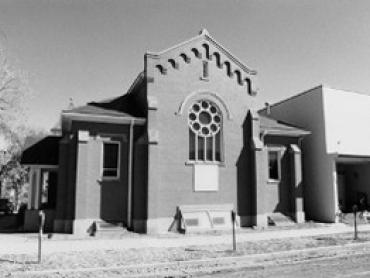
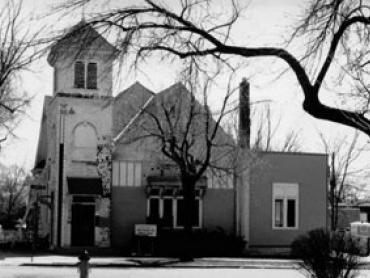
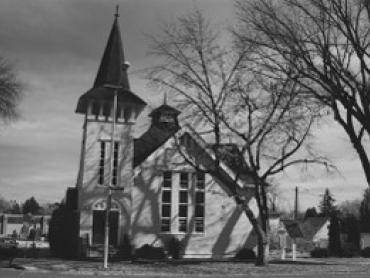
The 1890 church is architecturally significant as an early design by Walter F. Douglas, a locally prominent architect. It is the last remaining, intact example of several churches that were constructed in Colorado City during the early 1890s.
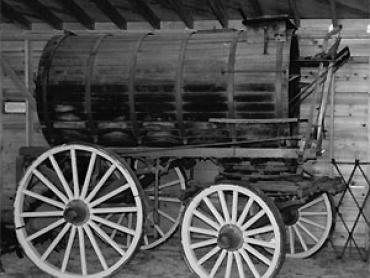
The circa 1900 sprinkler wagon was an important aspect of city road maintenance, utilized to keep the dust down on the unpaved streets of Colorado Springs.
As the oldest operating cemetery in Colorado Springs, Evergreen is significant for its association with the social history of the area during the city’s early development.
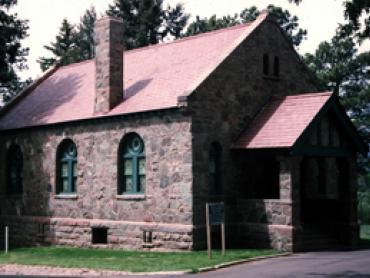
This vernacular church was built in 1903 using local stone and wood. Although there is little distinguishing ornamentation, the building dominates its site and serves as a visual landmark on the west side of Colorado Springs.
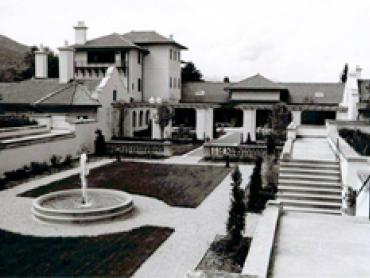
El Pomar was the home of Spencer Penrose, a prominent Colorado Springs citizen, who used his mining fortune to establish such enterprises as the Broadmoor Hotel. It is architecturally significant as an example of the Mission Revival style.
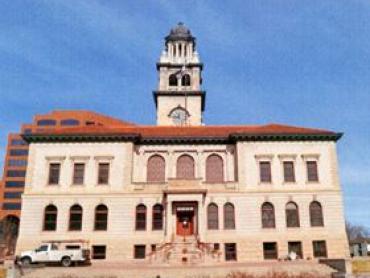
This imposing gray granite and ornamental concrete block building served as the center of El Paso County government and administration from its completion in 1903 until 1973.