On February 19, 1942, President Roosevelt signed Executive Order 9066, authorizing the creation of the War Relocation Authority. Camp Amache was on of ten relocation camps built to house Japanese American evacuees. Construction began in July/August and evacuees began to arrive right away, and by October of 1942 there were a total of 6785 evacuees at the camp. The peak population was 7318 in February of 1943 making it the 10th largest city in Colorado at that time.
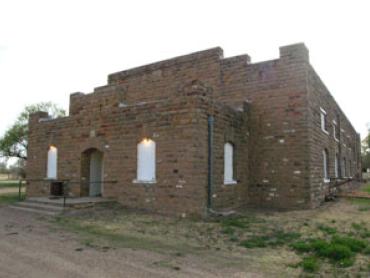
Two Buttes Gymnasium, constructed between 1935 and 1937 by the Works Progress Administration (WPA), is significant under the New Deal Resources on Colorado's Eastern Plains Multiple Property Documentation Form (MPDF).
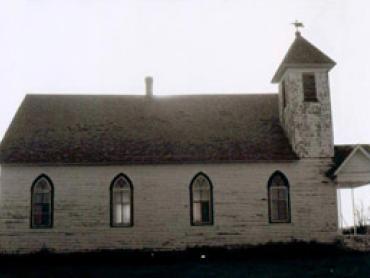
The 1917 church is architecturally significant as a good, intact example of the Late Gothic Revival style as executed by a local craftsman. It is the only identified example of this style in the county.
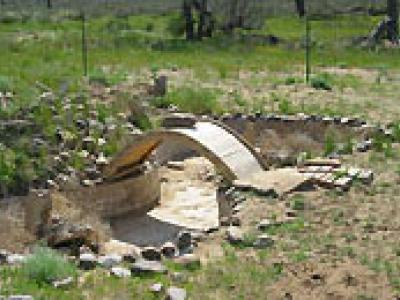
The 1909 dam is significant for its engineering as an intact example of a turn-of-the-century earthen dam built to aid in irrigating portions of southeastern Colorado.
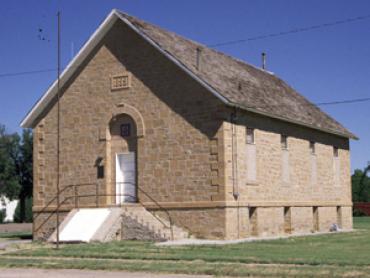
This 1889 rural schoolhouse was built with sandstone quarried east of town. It served as a school until 1920 when it became a Masonic Lodge. Listed under Rural School Buildings in Colorado Multiple Property Submission.
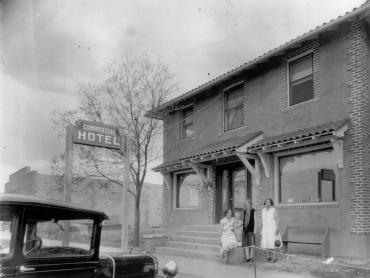
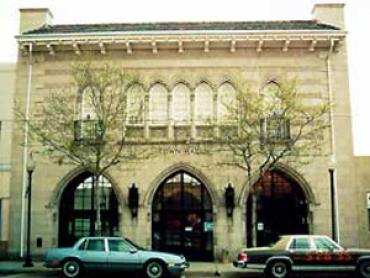
The Commercial Hotel / Hamilton Hotel is Springfield’s longest functioning and oldest surviving hotel. Opened in 1920, the hotel operated continuously up to the present. Known as the Commercial Hotel from 1920 to the mid-1930s, the hotel operated as the Hamilton Hotel from 1943 until 1970.
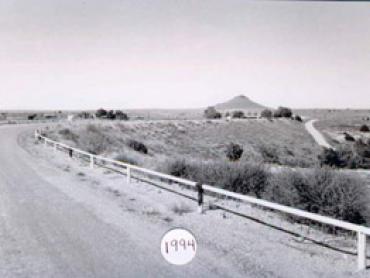
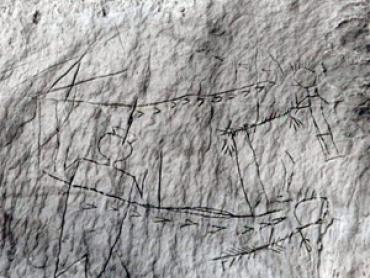
The site contains evidence of long and diverse human occupation through prehistoric and historic periods. The location offered a permanent water supply and a variety of natural shelters along the projecting bluff. The site also contains a large array of rock art whose range of styles demonstrates the evolution of rock art through time. An 1868 skirmish here between soldiers of the U.S. 7th Cavalry and Cheyenne Indians was the last historically documented Plains Indian / military engagement in southeastern Colorado.
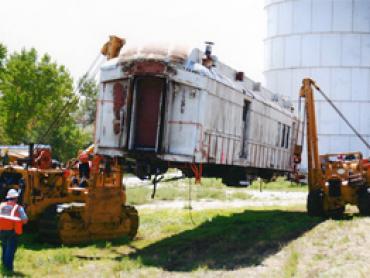
An important example of an early 20th century railroad car type, the 1914 car was designed specifically to handle the collection and distribution of mail in regular passenger train service, while also providing space for passenger baggage handling and express freight. Its layout and design clearly convey its function.