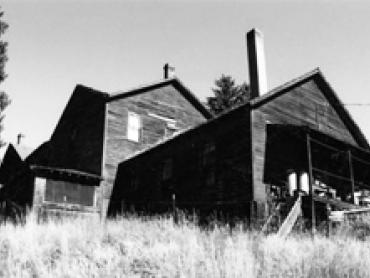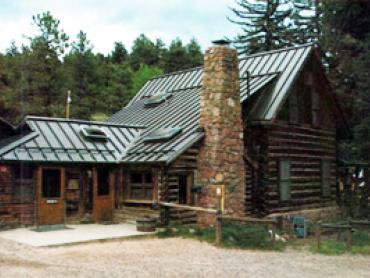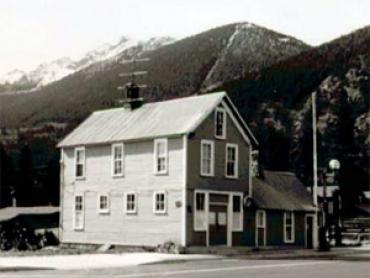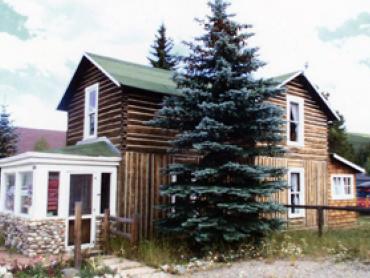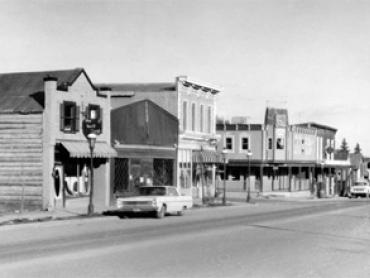
The Blue Jay Inn dates from 1880 and originally operated as two separate enterprises, serving local lumbermen. The wood frame buildings were subsequently pushed together, resulting in one large two-story hotel.
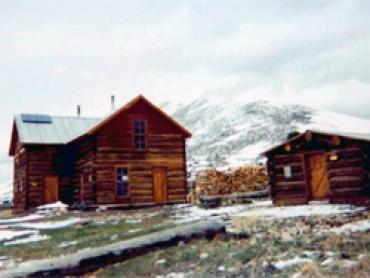
The 1909 Staley-Rouse House is a rare example of vertical and horizontal structural log construction in a domestic design. The juxtaposition of the vertical logs of the first story with the horizontal logs of the upper story is exceptionally uncommon.
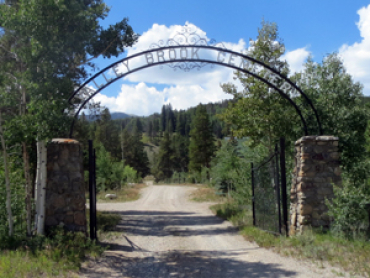
The 1882 Masonic Placer Cemetery - Valley Brook Cemetery has an unusual Celtic cross design and is important for its association with the development of the Town of Breckenridge and Summit County.
Located in the Rocky Mountains approximately 100 miles west of Denver, Breckenridge is an example of a mining boom town that experienced a new era of prosperity as a result of the post World War II boom in the ski industry. Settlement in the area began in 1859.
The site, located at an elevation of 11,498 feet, was a key element of the Denver South Park & Pacific Railroad’s route that ran from Como to Breckenridge and then on to Leadville.
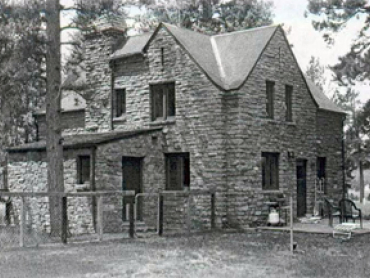
Built between 1937 and 1939, this collection of six architecturally significant sandstone buildings represents some of the finest Depression-era construction in Colorado.
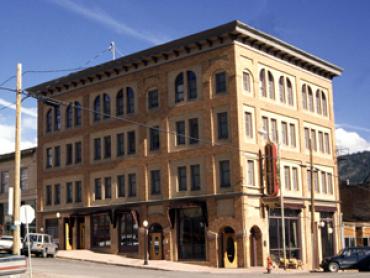
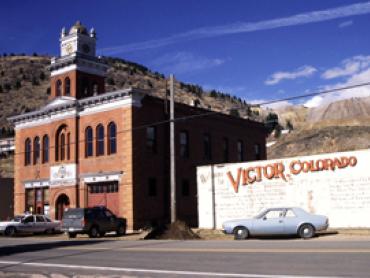
The district contains many relatively unaltered and contiguous commercial, public, fraternal and religious buildings of late 19th and early 20th century design. They form the commercial core of an important mining community that composed part of the Cripple Creek-Victor Mining District.