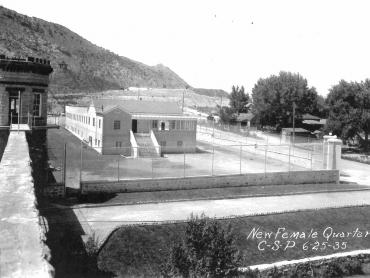
Utilizing prison labor, the two-story stuccoed concrete building was completed in 1935. Located just outside the eastern wall of the Colorado State Penitentiary, it continued to serve as a correctional facility for women until 1968.
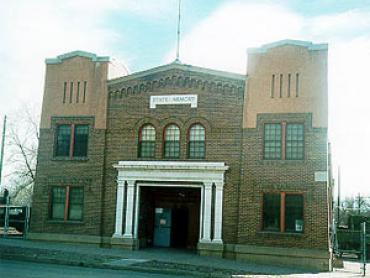
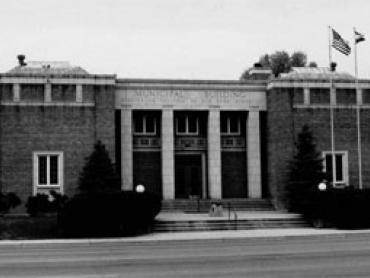
Constructed in 1922, the building is associated with the initiation and maintenance of a National Guard unit in Cañon City, and it is the longest continuously used Armory in the state. With its large open drill area and stage, it became much more than a military training facility.
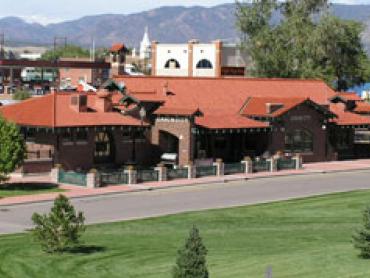
Built in 1913 to replace a smaller depot, the Santa Fe Railroad designed the new combination freight and passenger depot in the Mediterranean Revival style. The depot is now the starting point for the Royal Gorge Route tourist railroad.
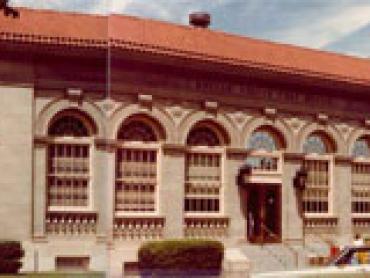
Designed by Denver architect Eugene Groves and erected in 1927, the two-story brick building is Neoclassical in composition with simple terra cotta ornamentation.
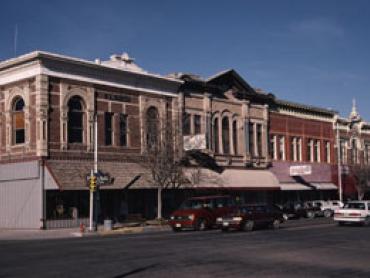
The district’s 81 buildings are primarily located along Main Street. The period of development, quality of design and construction, scale and number erected, reflect the town’s growth as a prosperous regional trading center between 1870 and 1930.
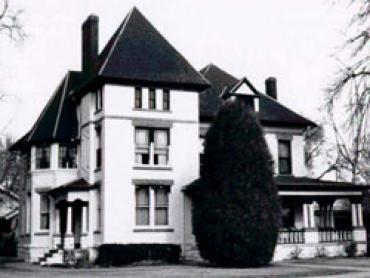
This 1890 house is associated with Samuel H. Atwater, an early developer of Cañon City, who not only bought and sold land for residential development but was a key individual in the planning and construction of community infrastructure.
This well preserved example of a small multiple-household was occupied between AD 1200-1250. The site can provide important information about the development of Mesa Verde cultural tradition and kiva architecture.