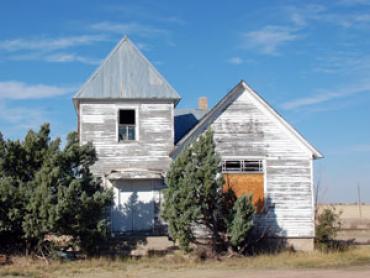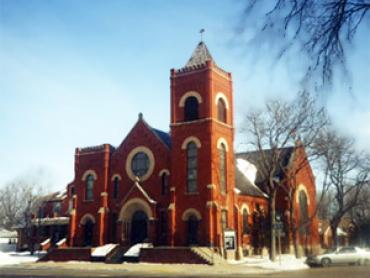
The 1915 Antelope Springs Methodist Episcopal Church is a good example of a Late 19th and Early 20th Century American Movements style building as applied to a rural church on Colorado’s plains.
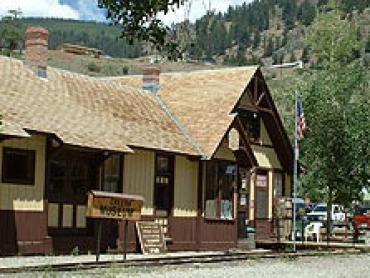
First established as a resort community, the Denver and Rio Grande Railroad reached the area in 1883 with its narrow gauge tracks and constructed the wood frame depot.
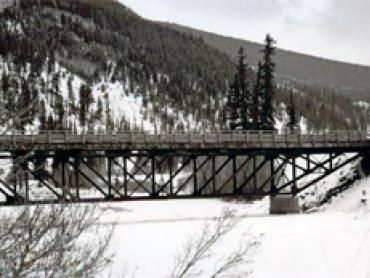
Constructed in 1935, on Colo. Hwy. 149 in the Rio Grande National Forest, it was moved to Mineral County to provide access to the Marshall Park Campground.
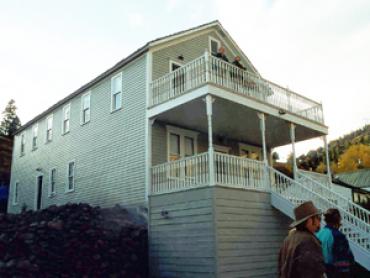
The Rio Grande Hotel was constructed circa 1892 to relieve the extreme housing shortage resulting from the area’s silver mining boom. The hotel was one of only a few wood structures to survive the town’s devastating 1892 fire.
After reaching Creede in 1892, the Denver & Rio Grande Railroad provided the mining district with an outlet for its ore while bringing in the necessities and occasional luxuries of life in a Colorado mining district.
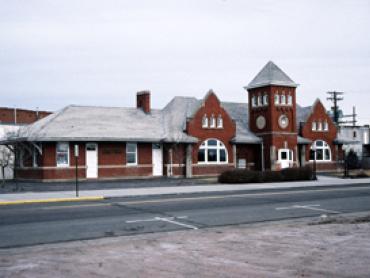
The 1902 building exhibits the Romanesque Revival style resulting in an impressive depot in keeping with the importance of Sterling on the Union Pacific system.
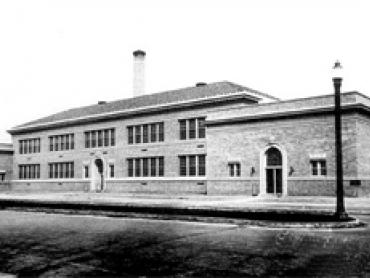
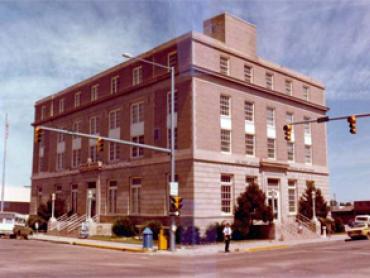
Constructed in 1930, the building is a well-executed example of Neo-Classical design and represents the end of the Beaux-Arts tradition that dominated the first 20 years of the 20th century.
St. Anthony’s Roman Catholic Church, a red brick Romanesque Revival style structure, with a flat-roofed two-story tower on one side of the gabled nave and a three-story tower with pyramidal roof on the other, was begun in 1910 and dedicated in 1911.