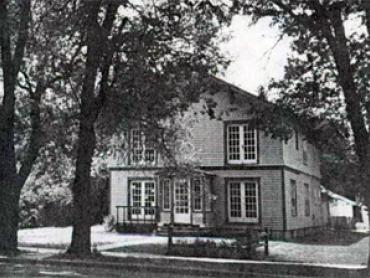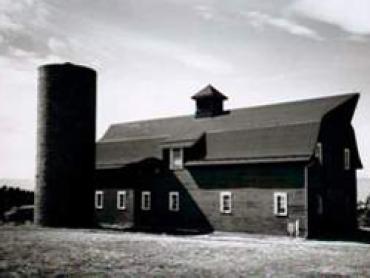
The 1924 apartments are associated with the pattern of community planning and development which occurred when the Craig area experienced a spurt of economic and population growth resulting from the local discovery of oil.
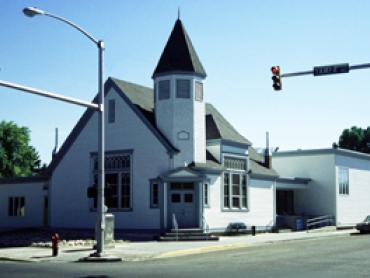
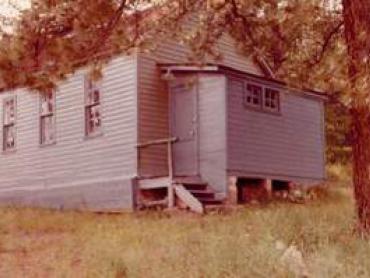
The original portion of the church dates from 1902. It was constructed with 12x6 inch sawn logs that were covered with lap siding. The gabled roof is steeply pitched, and the south slope includes a large hipped roof dormer.
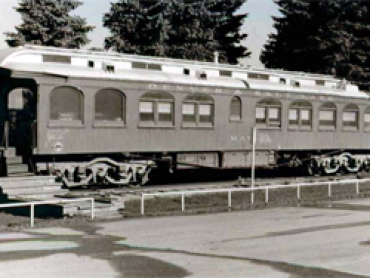
The customized car was built by the Pullman Company in 1906 and named in honor of David Moffat’s daughter, Marcia. The interior woodwork is solid mahogany imported from Africa and there are sleeping quarters for up to twelve people.
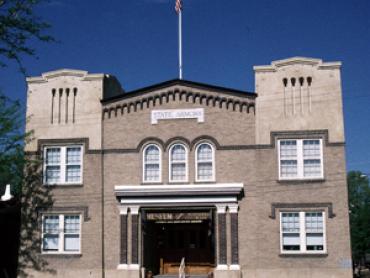
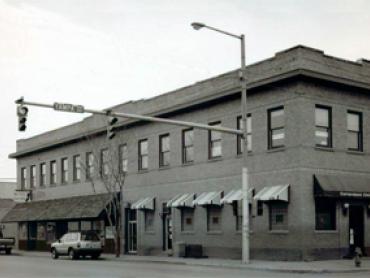
The two-story brick building was constructed in 1917 during the period of local economic optimism that followed the coming of the railroad in 1913. It remains Craig’s most important example of early 20th century commercial architecture.
The site is believed to be a contact point with Native Americans and possibly the location of Fort Davy Crockett, a fur trading post dating from the mid 1830s.
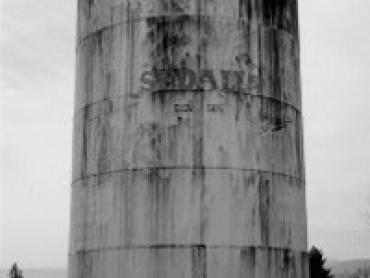
Constructed in 1906, the 140,000 gallon steel tank measures 24 feet in diameter and 43 feet in height. Around 1900, railroads began using steel tanks to replace the elevated wood tanks that provided water for coal-fired steam locomotives.
Daniels Park provides panoramic views of the entire Front Range. Originally a working ranch, several buildings representative of early 20th century rural architecture remain on the site.