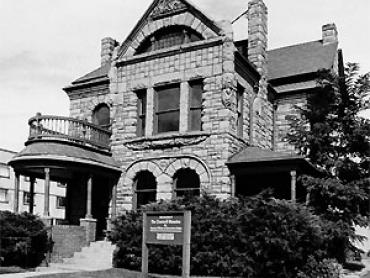
John J. Huddart designed the 1889 sandstone house for Denver businessman Joseph Creswell. Huddart was considered by his contemporaries to be one of the city’s finest architects. His buildings were known for the quality of their design and construction.
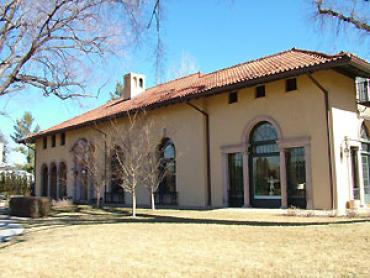
Denver architect Jules Jacques Benois Benedict designed the Cranmer House in 1917. Construction of large houses for wealthy clients was one of the principal components of Benedict’s practice, reaching its zenith in the 1920s. The Italian Renaissance style selected for the Cranmer residence was a favorite of the architect.
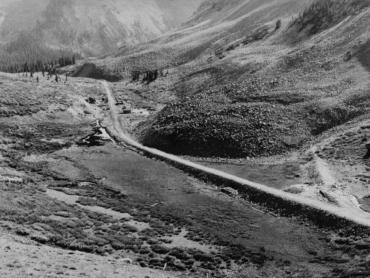
The Denver, South Park and Pacific Railroad, along with its successors the Denver, Leadville & Gunnison and the Colorado & Southern, faced heavy operating costs, particularly on the Alpine Tunnel District portion of its route.
The Alpine Tunnel Historic District includes approximately 13 miles of the former Denver, South Park and Pacific Railroad railbed across the Continental Divide from Hancock to Quartz, as well as the Alpine Tunnel itself.
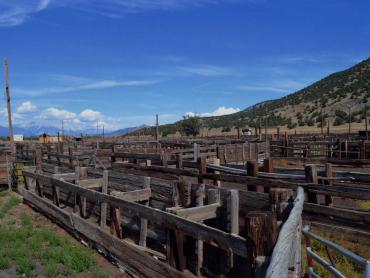
The Salida Livestock Commission is locally significant in the areas of agriculture and commerce for the role it played in the marketing of livestock in central Colorado, providing an important venue for buying and selling cattle, horses, and other animals.
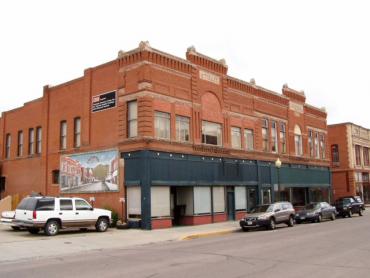
Between 1880 and 1930, downtown Salida became the center of a burgeoning railroad community. Consisting of 111 buildings, the district’s size bears witness to the importance of the Denver & Rio Grande Railroad as a local economic force during the period.
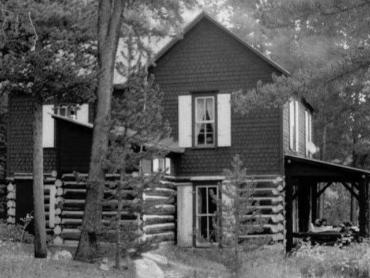
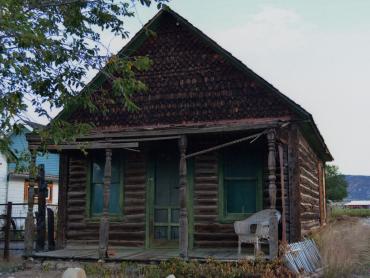
The 1904 Pedro-Botz House is a good example of a modest log house with Late Victorian ornamentation located in an area known as Smeltertown, where employees of the Ohio and Colorado Smelter lived in close proximity to their work.