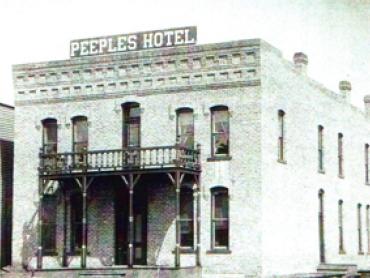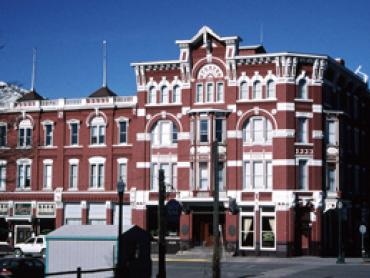
The 1890 Rochester Hotel represents a working class hotel / boarding house typical of the type that catered to tourists, salesmen and long term tenants less affluent that those attracted to Durango’s more elaborate and expensive hotels.
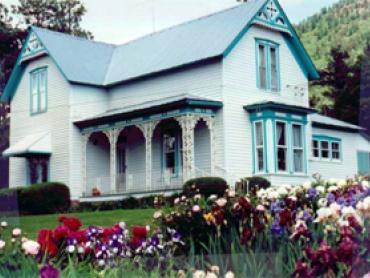
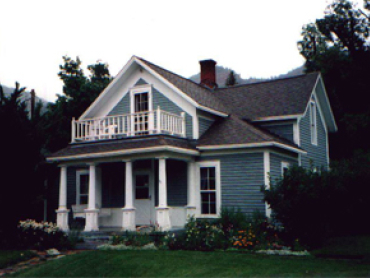
The circa 1884 wood frame house, of Victorian eclectic design, is an early example of residential construction by Animas Valley settlers. Very few homes from this early settlement period still exist.
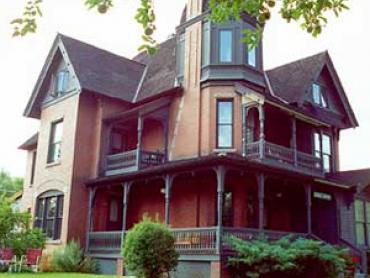
With its corner tower, steeply pitched multi-gabled roof, and prominent decorative porches, this 1890 building is an important local example of the Queen Anne style.
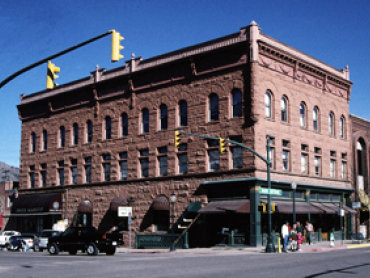
Construction began in 1891 on this three-story sandstone commercial building, which is the only expression of Richardsonian Romanesque architecture in Durango.
Constructed in 1884, the house is an example of residential construction by early Animas Valley settlers who established farms and ranches during the late 1870s and early 1880s. This unusual farmhouse is one of a few remaining from this period.
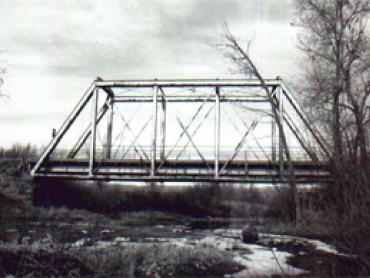
The bridge is associated with the development of transportation and commerce in southwestern Colorado, having served as part of the Denver & Rio Grande rail route between Durango and Alamosa.
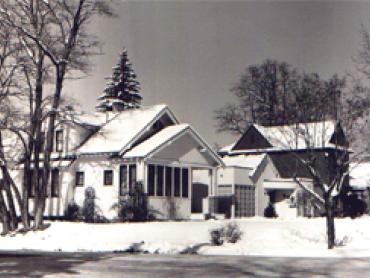
In 1880, Durango was platted by employees of General William Jackson Palmer of the Denver Rio Grande Railroad. East 3rd Avenue, known prior to 1893 as the "Boulevard", remains a prestigious residential area located along the bluffs overlooking the downtown commercial district.
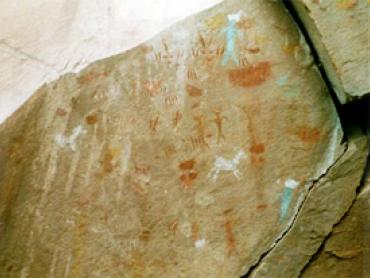
Pioneer southwestern archaeologist Earl Morris conducted excavations in 1938 at these two rockshelters, which constitute the type site for dwellings of the Basketmaker II Period of the Ancestral Puebloan tradition. Basketmaker II houses were first identified at these sites.
The district consists of 86 contributing buildings which collectively reflect the late 19th- and early 20th century history and architecture of the downtown area. Since its founding in the early 1880s, with the arrival of the railroad, Durango grew first as a mining supply and smelter center. It soon became a focal point for agriculture and logging in southwestern Colorado.
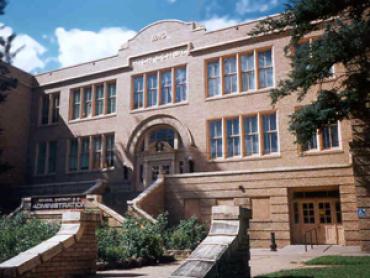
Extensively ornamented with terra cotta, high artistic values are embodied in this three-story, buff brick building. Constructed in 1917, it served as the city’s only high school until 1976.