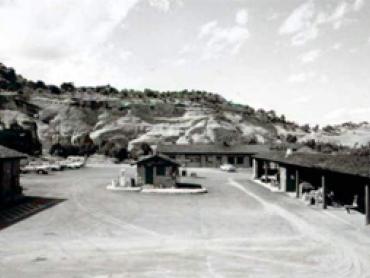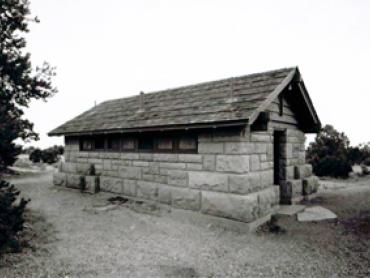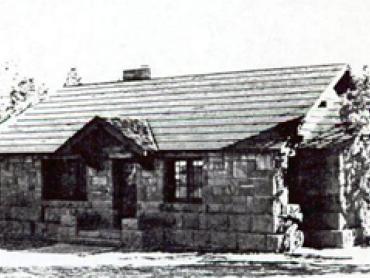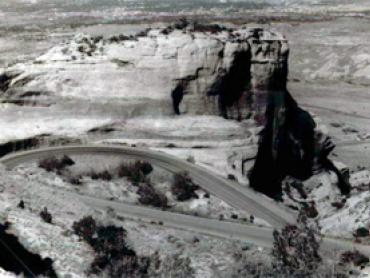
Significant for its association with the Civilian Conservation Corps and Works Progress Administration, the district includes four good examples of National Park Service Rustic style architecture. The structures were constructed of locally quarried sandstone by the CCC with Emergency Conservation Works funding.
Built by the Civilian Conservation Corps in 1937, to accommodate the recreational needs of visitors to Colorado National Monument, the station is significant for its association with CCC and WPA relief programs during the Great Depression.
Built by the Civilian Conservation Corps in 1935 and 1936, as the first permanent buildings in Colorado National Monument, the caretaker’s house and garage are significant for their association with public relief projects of the Great Depression.
Constructed between 1931 and 1950, the district is significant for its role in the development of automobile access and tourism in Colorado National Monument and its contribution to the local economy during the Great Depression. The district’s contributing features are representative of National Park Service Rustic style architecture in their use of native building materials.
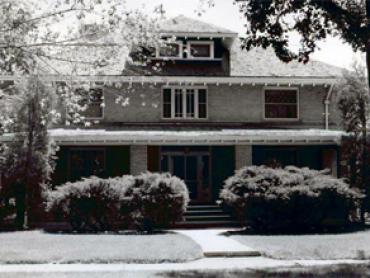
The district is the most intact historic residential area in the community and includes noted architect Eugene Groves’ 1925 Lowell School. Developed between the 1890s and 1930s, a variety of architectural styles including Queen Anne, Colonial Revival, and Mission are represented.
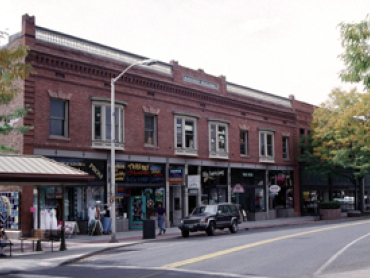
A rare local example of a vernacular Victorian commercial block, the circa 1905-1906 building symbolizes Grand Junction’s transition from a frontier town to a stable, small city.
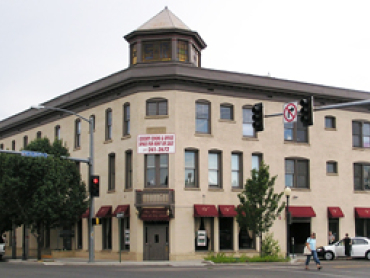
The hotel was important to the commercial development of Grand Junction. It served as a headquarters for traveling salesmen, a stopover for railroad tourists, and a center for local social life.
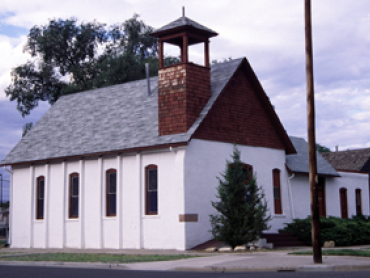
Built in 1892 to serve the need for an African American church in Grand Junction, the Handy Chapel has been a source of spiritual and physical comfort to the resident black community and travelers in distress.
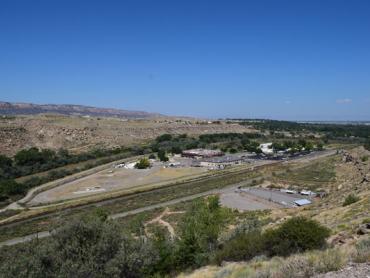
This 25.2-acre complex along the Gunnison River originated in 1943 as the national headquarters for acquisition of domestic uranium used in the development of the first atomic bombs under the Manhattan Project.