Membership Donate Shop

Mobile Main Menu

  • Plan Visit
    • Explore Our Museums Today
    • History Colorado Center
    • El Pueblo History Museum
    • Center for Colorado Women’s History
    • Fort Garland Museum & Cultural Center
    • Georgetown Loop
    • Healy House Museum
    • Historic Sites (Pike's Stockade, Fort Vasquez)
    • Trinidad History Museum
    • Ute Indian Museum
  • Attend Events
    • Full Event Calendar
    • Series and programs
    • America 250 - Colorado 150
    • Museum professionals
  • Rent Venues
    • History Colorado Center, Denver
    • Grant-Humphreys Mansion, Denver
    • El Pueblo History Museum, Pueblo
    • Ute Indian Museum, Montrose
    • Trinidad History Museum, Trinidad
    • Healy House, Leadville
    • Fort Garland History Museum, Fort Garland
    • Center for Colorado Women’s History, Denver
  • For Teachers
    • Field Trips
    • ColoradoEncyclopedia.org
    • Education Resources
    • Online Exhibits
    • School Classroom Programs
    • Teacher Professional Development
  • Camps
    • All Camp Locations Across Colorado
    • Denver, CO
    • Fort Garland, CO
    • Montrose, CO
    • Pueblo, CO
    • Trinidad, CO
  • Research
    • Search the Collection
    • State Historian’s Council
    • The Colorado Magazine
    • Public Research Center
    • Podcasts
    • Museum of Memory
    • Oral Histories
    • Compass Database
    • Donate Items to the Collection
    • Colorado Encyclopedia
  • Preservation & Archaeology
    • Get Started with Preservation
    • State Historical Fund
    • Preservation Tax Credits
    • Archaeology & Preservation Events
    • Certified Local Government
    • Centennial Farms & Ranches
    • Review & Compliance
    • Office of the State Archaeologist
    • Forms and Guidance
    • State and National Register of Historic Places
  • Get Involved
    • Membership
    • Affiliate Network
    • AmeriCorps
    • Careers
    • Donate
    • Exhibition Rental
    • Internships & Fellowships
    • Museum Professionals
    • Volunteer
Membership Donate Shop
  • Plan Visit

    Admission is Free for Kids

    Explore Our Museums Today!

    View Historic Sites >
    History Colorado Center

    Denver, CO

    Georgetown Loop Railroad

    Georgetown, CO

    El Pueblo History Museum

    Pueblo, CO

    Fort Garland Museum & Cultural Center

    Fort Garland, CO

    Healy House Museum & Dexter Cabin

    Leadville, CO

    Trinidad History Museum

    Trinidad, CO

    Ute Indian Museum

    Montrose, CO

    Center for Colorado Women’s History

    Denver, CO

    Featured Exhibitions

     
    Moments That Made US
    Votes and Dreams
    The Sand Creek Massacre: The Betrayal that Changed Cheyenne and Arapaho People Forever
  • Attend Events

    Events and Public Programs

    Full Event Calendar
    Series and Programs
    Museum Professionals
    America 250 Colorado 150
  • Rent Venues
    History Colorado Center, Denver
    Grant-Humphreys Mansion, Denver
    El Pueblo History Museum, Pueblo
    Ute Indian Museum, Montrose
    Fort Garland History Museum, Fort Garland
    Trinidad History Museum, Trinidad
    Center for Colorado Women’s History, Denver
    Healy House Museum & Dexter Cabin
  • For Teachers

    Teachers Resources & School Programs

    Field Trips
    School Classroom Programs
    Education Resources
    Online Exhibits
    Teacher Professional Development
    ColoradoEncyclopedia.org
  • Camps

    Year-Round Day Camps & Classes for Youth

    All Camp Locations Across Colorado
    Denver, CO
    Fort Garland, CO
    Pueblo, CO
    Trinidad, CO
    Montrose, CO
  • Research
    Search the Collection
    Public Research Center
    Donate Items to the Collection
    Museum of Memory
    The Colorado Magazine
    Podcasts
    Colorado Encyclopedia
    Compass Database
    State Historian’s Council
    Oral Histories
    Legislated Research Projects
  • Preservation & Archaeology
    Get Started with Preservation
    State Historical Fund
    State and National Register of Historic Places
    Archaeology & Preservation Events
    Certified Local Government
    Centennial Farms & Ranches
    Review & Compliance
    Preservation Tax Credits
    Office of the State Archaeologist
    Forms and Guidance
  • Get Involved
    Membership
    Donate
    Volunteer
    AmeriCorps
    Museum Professionals
    Affiliate Network
    Exhibition Rental
    Newsletter Sign Up
    Careers
    Internships & Fellowships
Thumbnail

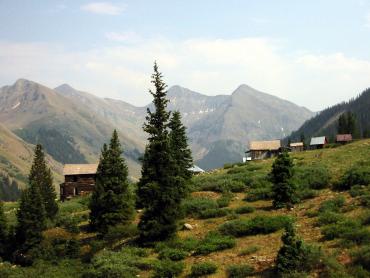
Animas Forks

Animas Forks is significant as a representative and relatively well-preserved ghost town for its association with commerce, industry, exploration and settlement, social history and architecture.  It was active during the peak of hard-rock silver and gold mining in the San Juan mountains.  When established in 1875, the community was strategically situated at the confluence of the East and West Forks of the Animas River, in the center of a region being extensively prospected and developed for hard-rock silver and gold mining.  After the initial boom of the early and middle 1880

Thumbnail

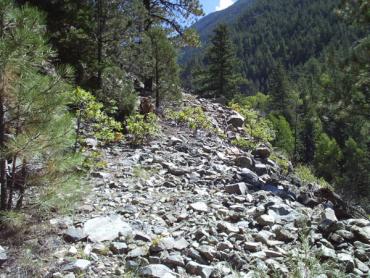
Animas Cañón Toll Road

Constructed in 1876-77, the Animas Cañón Toll Road was the main route between Animas City (north of Durango) and Silverton during the development of the mining camps in the surrounding region. Prior to the toll road’s construction, isolation was an impediment to the settlement of Silverton and the development of its mines, with trails and roads impassable for nearly six months of the year. Sufficient supplies and equipment were brought in with great difficulty and only the highest grade ore was transported out.

Thumbnail

Animas Cañón Toll Road

Constructed in 1876-77, the Animas Cañón Toll Road was the main route between Animas City (north of Durango) and Silverton during the development of the mining camps in the surrounding region. Prior to the toll road’s construction, isolation was an impediment to the settlement of Silverton and the development of its mines, with trails and roads impassable for nearly six months of the year. Sufficient supplies and equipment were brought in with great difficulty and only the highest grade ore was transported out.

Thumbnail

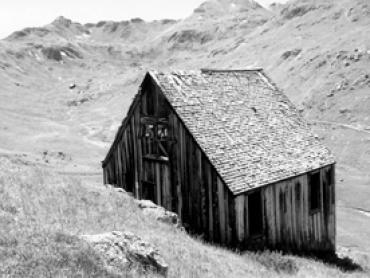
Placer Gulch Boarding House

The circa 1905 Placer Gulch Boarding House is a rare surviving example of a 1½ story boarding house from the hard-rock mining era in Colorado’s San Juan Mountains.  The building originally had private living quarters, a kitchen, dining room and large storage room on the first floor with benches and individual beds on the second.  An adit to the Prospect Mine is just down the slope from the boarding house and the Gold Prince aerial tramway passes through this site. 

Thumbnail

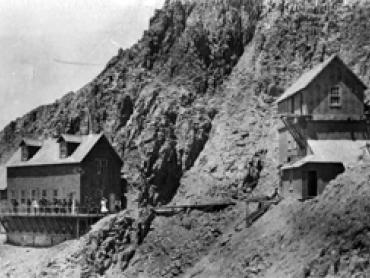
Old Hundred Mine Boarding House & Tramhouse

The boarding house and the adjacent tramhouse reflect important engineering aspects of high altitude hard rock mining.  Constructed in 1904, two-thousand feet up a mountain face, these buildings illustrate the resourcefulness, perseverance and technology needed to mine the rugged San Juans. 

Thumbnail

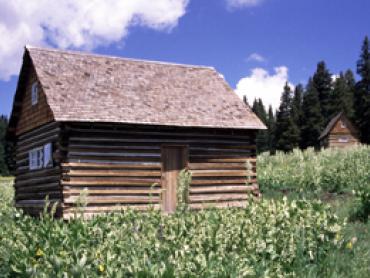
Raber Cow Camp

The camp was occupied during the summer months from the 1930s until 1966 by the Raber family of Kannah Creek as part of their cattle ranching operation.  One of the log cabins on the site was built in 1931 or 1932; the other dates from 1933 or 1934.

Thumbnail

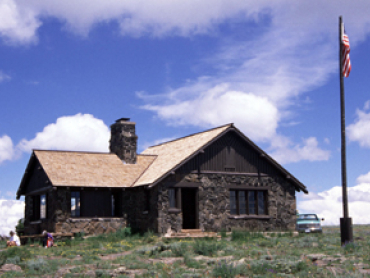
Land’s End Observatory

The property represents the expansion of the U.S. Forest Service’s mission from basic custodianship to extensive resource management and the recreational development of its lands.

Land’s End Aboriginal Site

Located along the Dry Fork drainage of Grand Mesa, adjacent Land’s End Road, the site has the potential to yield important information about aboriginal lifeways within a transitional environmental zone during the Archaic Period.

Thumbnail

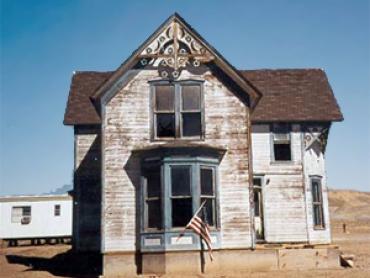
Coffman House

Constructed in 1890, the two-story wood frame residence is a simple local expression of the Stick style, featuring unusual decorative gable trim and brackets highlighted with cut-out crescents and stars.  Home to early settler William Coffman and his family, the house was located off Coffman Road at the western edge of Whitewater, a small town along the Gunnison River.

Thumbnail

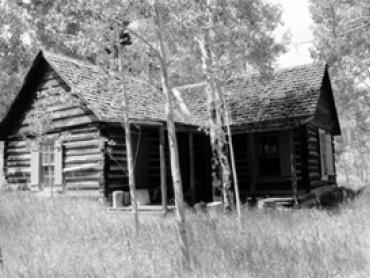
Cayton Ranger Station

The 1910 Cayton Guard Station is associated with federal management and conservation of natural resources during the early 20th century development of the National Forest system.  The building represents the expansion of the federal government’s control and administration of public lands in the West. 

Pagination

  • Previous page ‹‹
  • Page 102
  • Next page ››
History Colorado

Subscribe to our newsletter

Footer

  • About
  • Donate
  • Contact
  • Press
  • FAQ
  • Enews

Copyright ©2026 History Colorado

Footer Utility

  • Privacy Policy and Terms of Use
  • #HistoryColorado
  • Our Accessibility Statement
Subscribe To RSS FeedaccessiblearrowcalendardiningdonatefacebookgroupsinstagramlinkedinmapmediummoneyparkingphonepinterestrentalsSearchshoppingsoundcloudteapottophattrunktumblrtwittertypewritervolunteeryoutube