Located deep in a canyon within traditional Ute territory, the site has the potential to provide information about the connections between known historic cultures and prehistoric occupations.
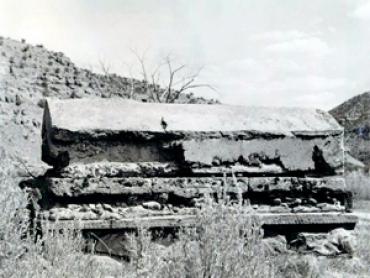
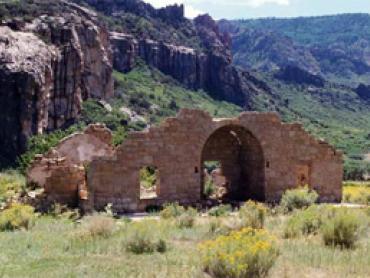
Dating from 1911, the oven is the only remaining structure marking the existence of a camp for approximately thirty convicts who were involved in road building and maintenance in the area.
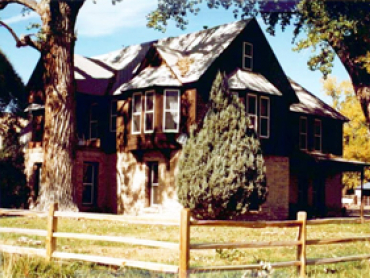
The circa 1896 house was constructed by Frank Knowles for his brother-in-law, George Hurlburt. Hurlburt made his fortune through mining interests in Ouray County. Located at the head of Horsethief Canyon, the large two-story residence is much more sophisticated in appearance than ranch related dwellings typical of the period.
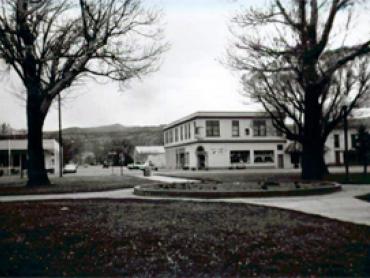
The 1908 park, a popular gathering place, is geographically important as a highly visible component of the local landscape and focus of the downtown commercial core. Such centrally located public parks are a rare resource in Colorado.
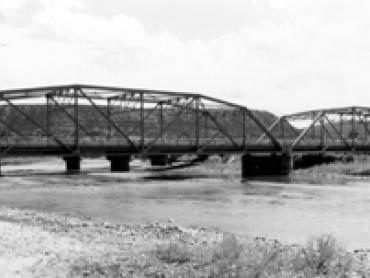
Extending for 407 feet over the Colorado River, the 1945 steel rigid connected Parker through truss structure features two 200-foot long spans. The bridge was designed by the Colorado Department of Highways, fabricated by Minneapolis-Moline Power Implement Company, and built by A.S. Horner.
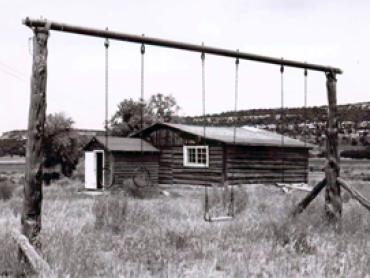
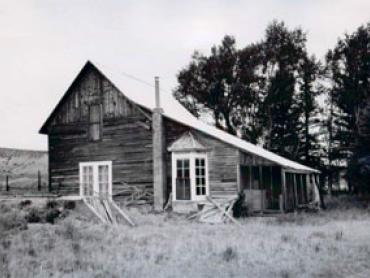
Considered one of the most complete pioneer homesteads in Middle Park, Edward Charles Yust and his family originally settled on the property in 1885. Yust was a prospector and blacksmith who fabricated many of the tools and equipment necessary for ranch operation.
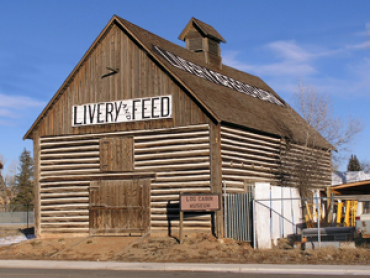
Completed as a livery stable in 1904, the walls of the post and beam barn consist of eight inch diameter unhewn logs. A hay loft exists beneath the steeply pitched gabled roof.