The district is significant for its diversity and abundance of prehistoric sites dating from the early Archaic period (circa 5000 BC) through the early ceramic period (circa AD 1000).
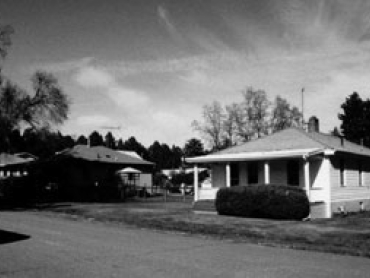
The community, begun by the Du Pont Company in 1906, and occupied starting in 1908, provided employee housing and support facilities for the adjacent Louviers Works dynamite plant. Du Pont carefully planned, built, and managed the village.
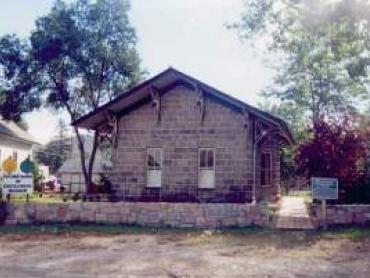
The 1875 building is a rare example of a stone depot constructed by the Denver & Rio Grande Railroad. Castle Rock quarries yielded the high quality rhyolite stone used in the depot’s construction.
The La Jara Archaeological District is a cultural landscape that represents approximately 10,000 years of human occupation and provides information regarding the cultural groups that have occupied the area throughout the past.
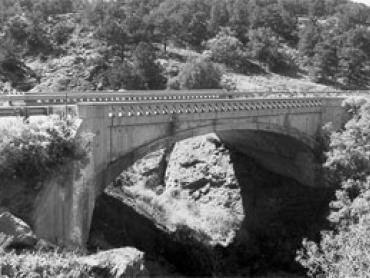
Located in a rugged rural setting, the 1934 filled spandrel arch bridge was designed by the Colorado Department of Highways and built by Gordon Construction Company.
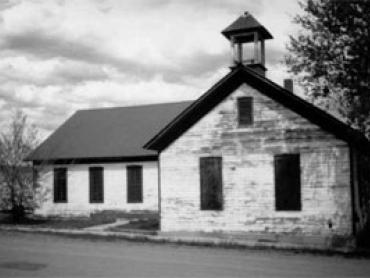
The Rockvale School represents the community’s efforts to provide education for its children as well as the local coal company’s concern for the education of its adult employees.
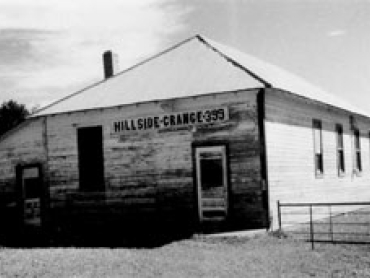
Constructed in 1926-27, with additions in 1935 and 1956, the simple one-story wood frame building is associated with the farmers’ organization popularly known as the Grange Movement.
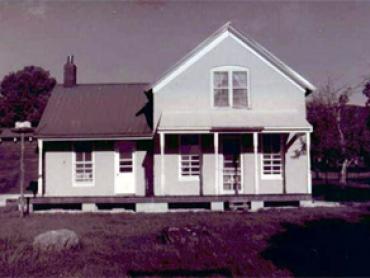
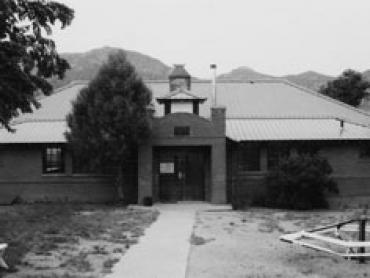
Constructed in 1923 as a replacement for a smaller wood frame school destroyed in a flood, the Coaldale School met the educational needs of the community by serving as the only school until consolidation forced its closure in 1956.
Constructed in 1908 for the local lodge of the International Order of Odd Fellows, the two-story sandstone building served as the primary meeting facility for the town’s various fraternal organizations, as well as the miner’s union.