Membership Donate Shop

Mobile Main Menu

  • Plan Visit
    • Explore Our Museums Today
    • History Colorado Center
    • El Pueblo History Museum
    • Center for Colorado Women’s History
    • Fort Garland Museum & Cultural Center
    • Georgetown Loop
    • Healy House Museum
    • Historic Sites (Pike's Stockade, Fort Vasquez)
    • Trinidad History Museum
    • Ute Indian Museum
  • Attend Events
    • Full Event Calendar
    • Series and programs
    • America 250 - Colorado 150
    • Museum professionals
  • Rent Venues
    • History Colorado Center, Denver
    • Grant-Humphreys Mansion, Denver
    • El Pueblo History Museum, Pueblo
    • Ute Indian Museum, Montrose
    • Trinidad History Museum, Trinidad
    • Healy House, Leadville
    • Fort Garland History Museum, Fort Garland
    • Center for Colorado Women’s History, Denver
  • For Teachers
    • Field Trips
    • ColoradoEncyclopedia.org
    • Education Resources
    • Online Exhibits
    • School Classroom Programs
    • Teacher Professional Development
  • Camps
    • All Camp Locations Across Colorado
    • Denver, CO
    • Fort Garland, CO
    • Montrose, CO
    • Pueblo, CO
    • Trinidad, CO
  • Research
    • Search the Collection
    • State Historian’s Council
    • The Colorado Magazine
    • Public Research Center
    • Podcasts
    • Museum of Memory
    • Oral Histories
    • Compass Database
    • Donate Items to the Collection
    • Colorado Encyclopedia
  • Preservation & Archaeology
    • Get Started with Preservation
    • State Historical Fund
    • Preservation Tax Credits
    • Archaeology & Preservation Events
    • Certified Local Government
    • Centennial Farms & Ranches
    • Review & Compliance
    • Office of the State Archaeologist
    • Forms and Guidance
    • State and National Register of Historic Places
  • Get Involved
    • Membership
    • Affiliate Network
    • AmeriCorps
    • Careers
    • Donate
    • Exhibition Rental
    • Internships & Fellowships
    • Museum Professionals
    • Volunteer
Membership Donate Shop
  • Plan Visit

    Admission is Free for Kids

    Explore Our Museums Today!

    View Historic Sites >
    History Colorado Center

    Denver, CO

    Georgetown Loop Railroad

    Georgetown, CO

    El Pueblo History Museum

    Pueblo, CO

    Fort Garland Museum & Cultural Center

    Fort Garland, CO

    Healy House Museum & Dexter Cabin

    Leadville, CO

    Trinidad History Museum

    Trinidad, CO

    Ute Indian Museum

    Montrose, CO

    Center for Colorado Women’s History

    Denver, CO

    Featured Exhibitions

     
    Moments That Made US
    Votes and Dreams
    The Sand Creek Massacre: The Betrayal that Changed Cheyenne and Arapaho People Forever
  • Attend Events

    Events and Public Programs

    Full Event Calendar
    Series and Programs
    Museum Professionals
    America 250 Colorado 150
  • Rent Venues
    History Colorado Center, Denver
    Grant-Humphreys Mansion, Denver
    El Pueblo History Museum, Pueblo
    Ute Indian Museum, Montrose
    Fort Garland History Museum, Fort Garland
    Trinidad History Museum, Trinidad
    Center for Colorado Women’s History, Denver
    Healy House Museum & Dexter Cabin
  • For Teachers

    Teachers Resources & School Programs

    Field Trips
    School Classroom Programs
    Education Resources
    Online Exhibits
    Teacher Professional Development
    ColoradoEncyclopedia.org
  • Camps

    Year-Round Day Camps & Classes for Youth

    All Camp Locations Across Colorado
    Denver, CO
    Fort Garland, CO
    Pueblo, CO
    Trinidad, CO
    Montrose, CO
  • Research
    Search the Collection
    Public Research Center
    Donate Items to the Collection
    Museum of Memory
    The Colorado Magazine
    Podcasts
    Colorado Encyclopedia
    Compass Database
    State Historian’s Council
    Oral Histories
    Legislated Research Projects
  • Preservation & Archaeology
    Get Started with Preservation
    State Historical Fund
    State and National Register of Historic Places
    Archaeology & Preservation Events
    Certified Local Government
    Centennial Farms & Ranches
    Review & Compliance
    Preservation Tax Credits
    Office of the State Archaeologist
    Forms and Guidance
  • Get Involved
    Membership
    Donate
    Volunteer
    AmeriCorps
    Museum Professionals
    Affiliate Network
    Exhibition Rental
    Newsletter Sign Up
    Careers
    Internships & Fellowships
Thumbnail

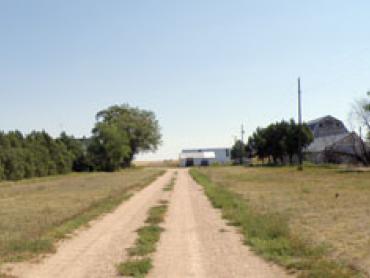
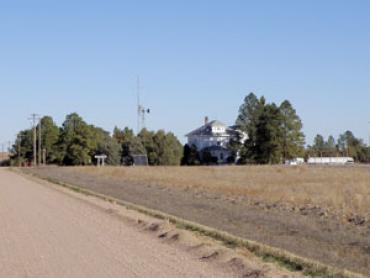
Hargreaves Homestead Rural Historic District

The 320-acre Hargreaves Homestead district has been family owned since its establishment.  Henry Hargreaves, an emigrant from Liverpool, England, filed a pre-emption claim on the southwest quarter of the section in spring 1887.  Hargreaves’ highly successful farming and ranching operation was touted in circa -1920s promotional brochures published by the railroad.

Thumbnail

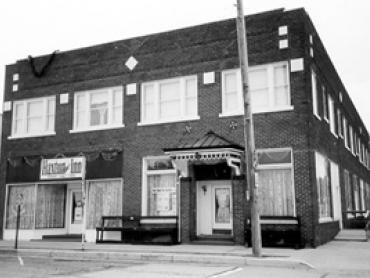
Shirley Hotel (Haxtun Inn)

Constructed in 1921, the two-story, dark red brick building has a long association with the commercial history of Haxtun. 

Thumbnail

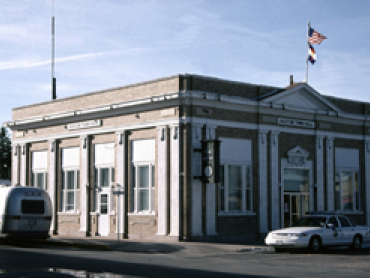
First National Bank of Haxtun (Haxtun Town Hall)

The 1917 bank closed in 1932 as part of the general economic collapse during the Great Depression.  The city purchased the building in 1939 for use as the city hall.  It is a good example of the Neo-Classical style and includes marble pilasters, pediments, and cornices.

Thumbnail

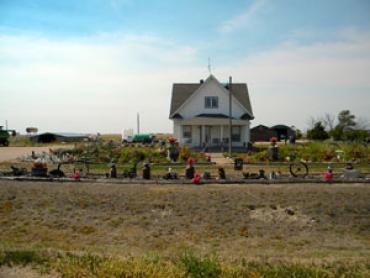
Harms Farm

The Harms Farm family farming operation reflects farming trends in Phillips County between the 1910s boom and the evolution from diversified farming to more specialized farming operations in the mid-twentieth century.  Although the land was originally claimed the land under the Timber Culture Act in 1894, the current farm dates to 1917 with crops of dryland wheat, corn, and millet.  Additionally, livestock consisted of sheep, dairy cows, chickens, and hogs.

Thumbnail

Evergreen Corner Rural Historic Landscape

The Evergreen Corner Rural Historic Landscape is significant for its association with the development agriculture in Phillips County from the farming boom of the 1910s through the agricultural changes of the mid-twentieth century.  Though the land was originally homesteaded in 1887, it passed through a series of non-resident land owners for the next three decades until purchased by Henry Flaker in 1917.  Flaker is responsible for establishing the farmstead as it appears today, constructing the house, barn, tankhouse, and outhouse for his hog farm.

Thumbnail

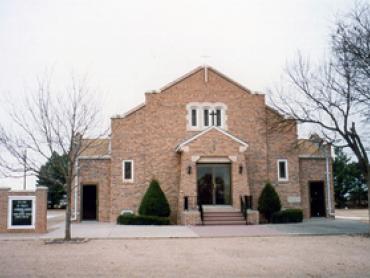
St. Paul’s Lutheran Church

The 1931 church was designed by prominent Denver architect Eugene G. Groves and continues to serve the congregation.  The front gabled roof one-story brick building rests on a slightly raised concrete basement.  On the façade, a tripartite segmental arched stained glass window, surrounded by cast stone trim, is centered above the small front gabled entry.

Thumbnail

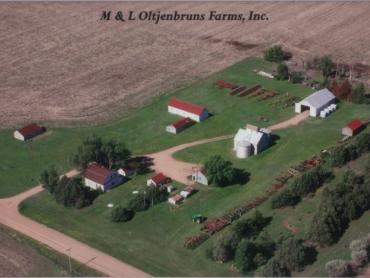
Oltjenbruns Farm

The 1917 Oltjenbruns Farm is an excellent example of a family farming operation, associated with both the farming boom of the 1910s and the dramatic changes in farming practices at the mid-twentieth century.  A German immigrant who operated several farms in Nebraska before moving to Phillips County, August Welper was a general farmer who planted dryland wheat and alfalfa and raised horses, cows, and chickens.

Thumbnail

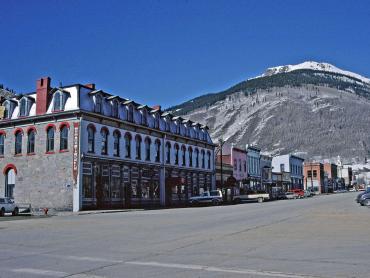
Silverton Historic District

The town is situated at the center of the San Juan mining district.  Prospecting began in the 1860s, but it was not until 1871 that the first profitable silver vein was discovered in nearby Arrastra Gulch.  The late 19th and early 20th century residential and institutional buildings within the district reflect the prosperity brought about by one of Colorado’s richest mineral producing regions.  

Thumbnail

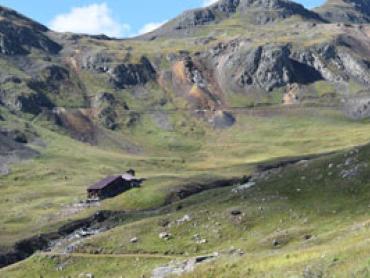
Sound Democrat Mill and Mine and Silver Queen Mine

The Sound Democrat Mill and Mine and Silver Queen Mine are a representative moderate-scale industrial mining and milling complex from Colorado’s period of hard-rock mining.  In 1894 mining began at the Silver Queen, followed by the Sound Democrat in 1898.  

Thumbnail

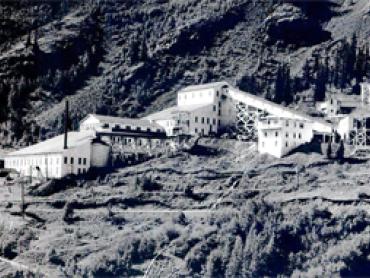
Shenandoah-Dives Mill

The Shenandoah-Dives Mill, which was constructed in 1929, is an exceptionally intact example of a selective flotation mill reflecting the distinctive characteristics of hard-rock milling processes in the early 20th century Rocky Mountain West.

Pagination

  • Previous page ‹‹
  • Page 100
  • Next page ››
History Colorado

Subscribe to our newsletter

Footer

  • About
  • Donate
  • Contact
  • Press
  • FAQ
  • Enews

Copyright ©2026 History Colorado

Footer Utility

  • Privacy Policy and Terms of Use
  • #HistoryColorado
  • Our Accessibility Statement
Subscribe To RSS FeedaccessiblearrowcalendardiningdonatefacebookgroupsinstagramlinkedinmapmediummoneyparkingphonepinterestrentalsSearchshoppingsoundcloudteapottophattrunktumblrtwittertypewritervolunteeryoutube