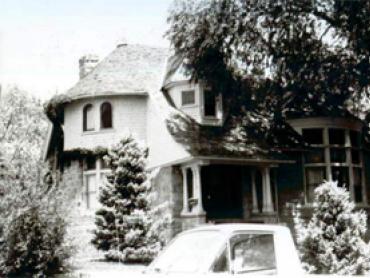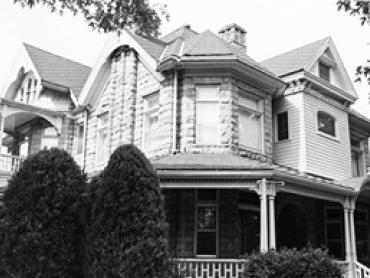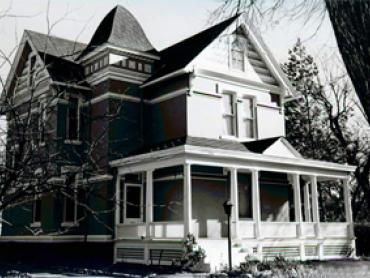
Built in 1889 for Allen J. Beaumont, a prominent Pueblo attorney, architect A. Morris Stuckert’s design is an eclectic mix of Queen Anne and Richardsonian Romanesque detailing. The one and a half story residence of pink lava stone sits on a hill overlooking the city.
Built in 1893, Oliver Hazard Perry Baxter’s residence is a rich blend of Late Victorian and Queen Anne architecture. Subsequent owners donated the house to the Catholic Diocese.
W. J. Barndollar, a prominent local banker, business-person and politician, commissioned Pueblo architect Patrick P. Mills to design the house in 1889. It is a well-preserved local example of the Queen Anne style.
Begun in 1919, Pueblo Mountain Park is an early municipally owned automobile oriented, mountain park designed to offer Pueblo area residents easily accessible recreational facilities outside the urban environment.
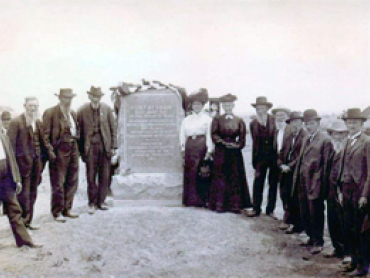
The Centennial Chapter of the Daughters of the American Revolution placed a commemorative monument on the site of Fort St. Vrain near Platteville in 1911. The monument was the first in an ongoing series of over 100 commemorative markers in Colorado erected by the DAR through its local chapters.
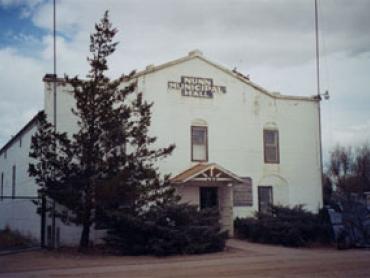
Constructed in 1933-1934 as a Civil Works Administration Depression-Era project, the two-story building, of painted concrete housed the police station, fire department, and town clerk.
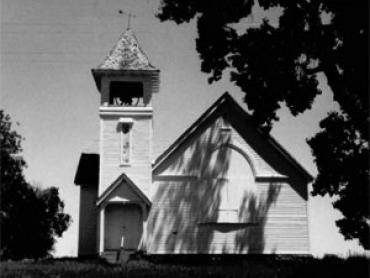
The building is an intact example of a vernacular wood frame church typical of those built on the eastern Colorado plains in the late 19th and early 20th centuries. The 1896 church is the only remaining public building in what once was a thriving agricultural community.
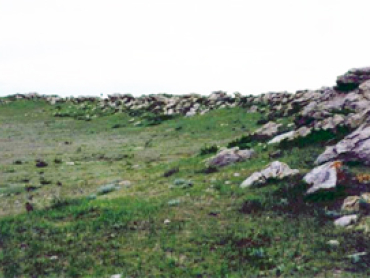
The site has the potential to yield important information related to human associations with the area during the Middle Preceramic, Late Preceramic, and Late Ceramic Periods.