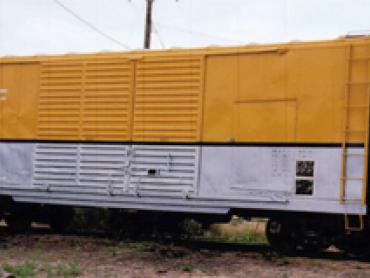
The 1939 Denver & Rio Grande Western (D&RGW) Boxcar No. 60294 is a rare example of railroad rolling stock designed specifically to transport automobiles. From 1941 to 1954 this boxcar was outfitted with special devices that allowed the shipping of automobiles.
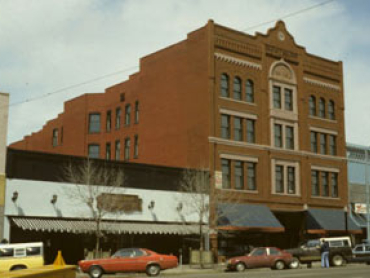
The four story masonry building is located in the heart of the central business district. Constructed in 1897 by Barber and Hastings, it is one of the few remaining commercial buildings dating from the boom period following the Cripple Creek gold strike.
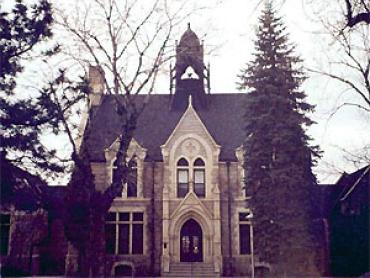
Designed in the High Victorian Gothic style, by the Boston architectural firm of Peabody and Sterns, Cutler Hall was constructed between 1877 and 1880, with flanking wings added during 1881-1882.
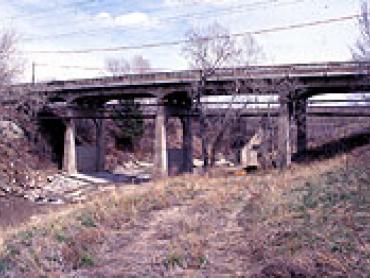
Completed in 1923, this cantilevered, concrete deck, girder bridge was an integral part of the North-South Highway, a main artery through Colorado during the early decades of the 20th century.
Completed in 1914, the building, with its gymnasium, training and locker rooms, and no longer extant outdoor amphitheater, led to the adoption of a 3-year physical education requirement for graduation.
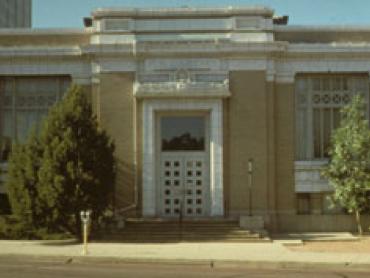
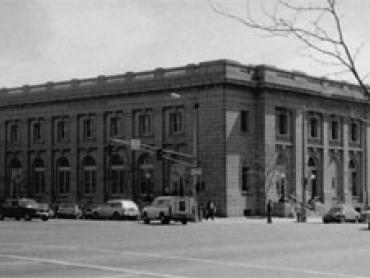
This 1905 Neo-Classical brick building, with terra cotta trim, is an excellent local example of the architecture associated with the City Beautiful Movement.
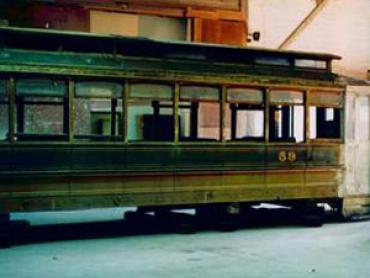
This fine early 20th century example of the car builders’ art was purchased in 1901 during Winfield Stratton’s short but dynamic ownership of the interurban railway company. The car operated between Colorado Springs, Colorado City, and Manitou Springs.
The three-story building, constructed in 1922, was designed by William White Stickney for Mrs. F.M.P. Tylor, an important community benefactor. Its Tudor style exterior and interior remain intact.