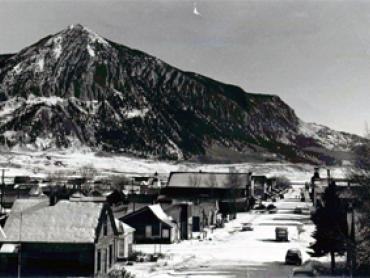
Settlers looking for precious metals were in the area as early as 1874. As the number of mining camps grew, Crested Butte thrived as a supply center, and the town was incorporated in 1880. As the gold and silver played out, the mining of nearby high quality bituminous coal supported the economy. The Colorado Fuel and Iron Company and its predecessors developed coal mines and coke ovens, making the Crested Butte area the state’s leading mountain coal operation by 1882.
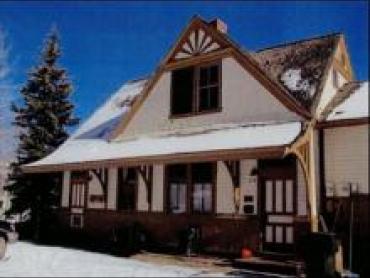
Constructed in 1883, this combination passenger and freight depot remained in use until the 1954 abandonment of the Crested Butte narrow gauge branch line of the D&RG.
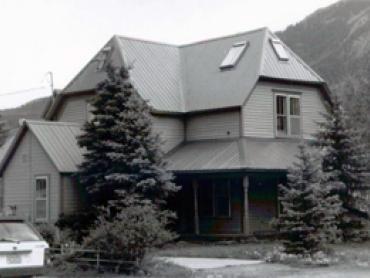
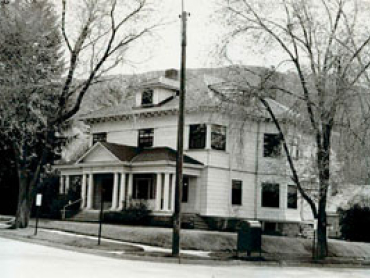
Originally located on Big Mine Hill, this large wood frame dwelling served as the residence for the superintendent of Colorado Fuel & Iron Company’s mining and coke oven operations in the Crested Butte area from 1883 until 1952.
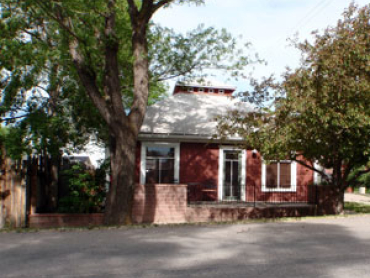
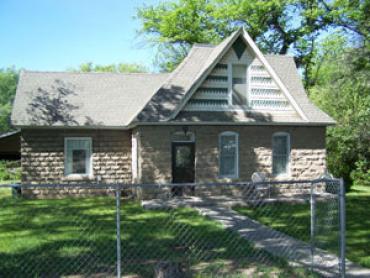
This 1908 Hipped Roof Box form house is one of only a few examples in Silt and the only one with a large decorative cupola, much larger than the typical cupola.
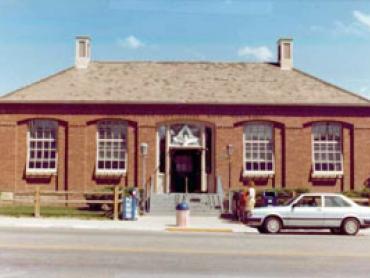
Constructed in 1940, the building is the most detailed and complete of the five identified, small Colonial Revival influenced post offices in Colorado. Listed under U.S. Post Offices in Colorado Thematic Resource.
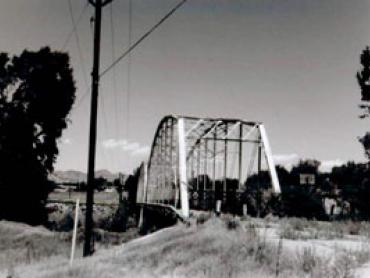
The bridge includes two different types of spans, the Pennsylvania and the Parker. Charles G. Sheely completed this pin-connected, steel twelve-panel Pennsylvania and ten-panel Parker through truss in 1909.
Remaining on the site are a concrete pumphouse and forebay, along with supporting structures such as a cistern and concrete support blocks for conduits.
The Wasson-McKay Place is significant as representing good examples of Pioneer Log and modest Late Victorian architecture. The circa-1900 Pioneer Log icehouse/cabin with whole log walls and hog trough construction exemplifies typical construction techniques of outbuildings and early settlers’ cabins in the area.
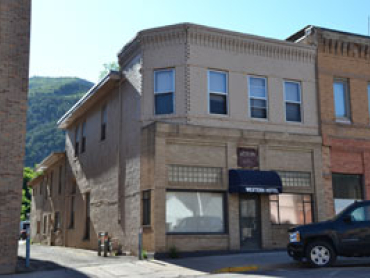
The Western Hotel provided area residents, visitors, and guests with accommodations as a restaurant, saloon, soda bottling shop, grocery store and rooming house before operating as a working-class hotel.
Built in 1904, the two-story wood frame house, with its Colonial Revival style front porch, is a variation of the Foursquare residential building type.