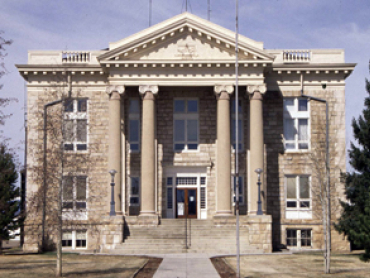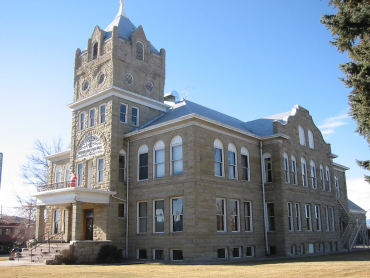
The 1913 building, constructed of locally quarried stone, is an excellent local example of the Classical Revival Style as executed by noted Denver architect William Norman Bowman. Most of the original interior detailing remains in place.
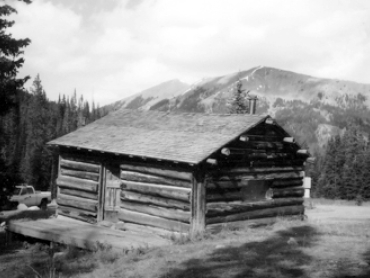
The 1925 cabin is a good local example of Rustic style architecture, a form characterized by its natural setting and its use of native materials, often log and stone.
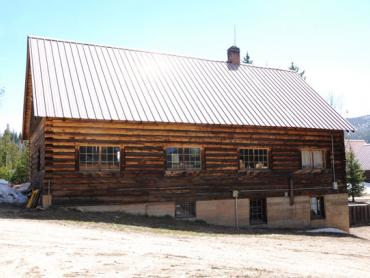
The Colorado State Forest Building Complex represents good examples Pioneer Log and Rustic-style architecture, the style represented on the main house and the Civil Conservation Corps (CCC) constructed office/garage. Both the Pioneer Log and the Rustic styles incorporate the readily available and inexpensive construction material from the nearby forests. The complex is also important for its association with President’s Franklin D.
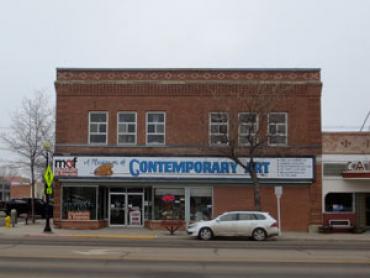
For several decades the 1910 Roof & Dick Building has anchored the heart of downtown Walsenburg, including with national chain stores like J.C. Penney (1932-1976) and Ben Franklin (1977-1985).
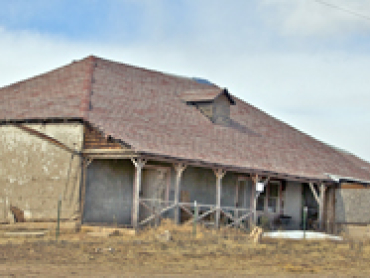
Montoya Ranch is significant for its association for ethnic heritage/Hispanic, exploration/settlement, agriculture, and commerce. Additionally, it is important as a rare example of an early Hispano residence and a good example of Spanish Colonial architecture modified to a Territorial Adobe type building.
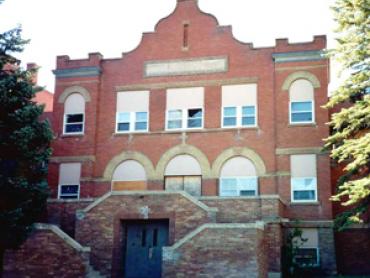
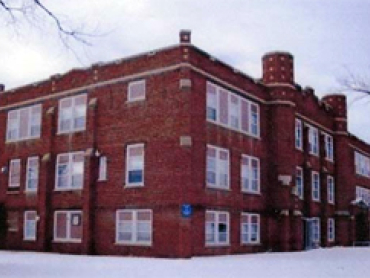
The 1920 building (also known as Walsenburg Middle School) served the community for over 80 years as the center of middle and upper-level public school education. The building is the work of the noted Colorado architectural firm of Isaac Hamilton Rapp and William Mason Rapp.
Designed by Pueblo architect C.A. Henderson, the two-story courthouse was built in 1904. The adjacent two-story building utilized as the jail dates from the 1890s.
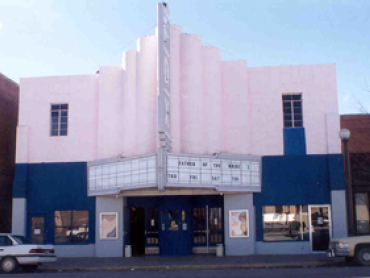
Though originally constructed in 1917 as the Star, the Fox Inter-mountain chain purchased and remodeled the building in 1941 and gave this mainstay of community entertainment a modern Art Deco appearance.