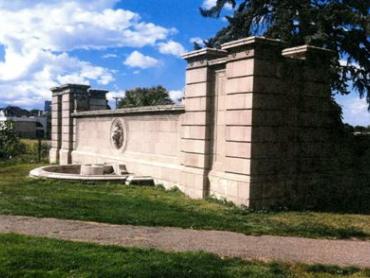
The esplanade incorporates the basic elements of classic French landscape design and is the most elegant, ceremonial, and architectural of the Denver parkways.
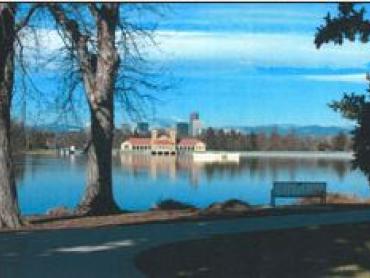
City Park is the largest and among the oldest of Denver’s parks. Henry Meryweather laid out the park in 1882 in the romantic tradition exemplified by Olmsted’s Central Park.
Designed in 1912, the esplanade serves as a grand entry to Cheesman Park and is Saco R. DeBoer’s masterpiece and perhaps the most sophisticated piece of landscape design in the Denver park and parkway system.
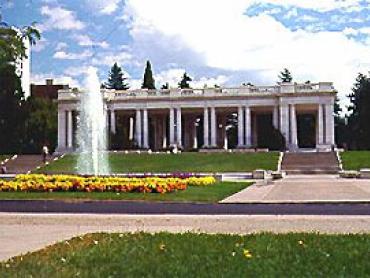
Vincent Scully, former Yale University art historian, described the 1898 Cheesman Park as one of the finest urban spaces in America. The park is the masterpiece of Denver’s turn-of-the-century landscape architect, Reinhard Schuetze.
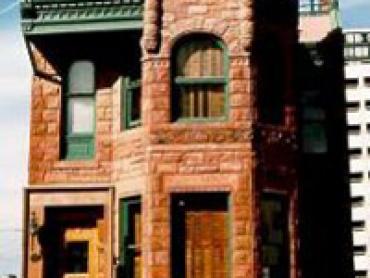
Architect Fred Hale designed the 1887-88 sandstone townhouse using elements of the Queen Anne and Romanesque Revival styles. The townhouse is the oldest remaining residential building in downtown Denver.
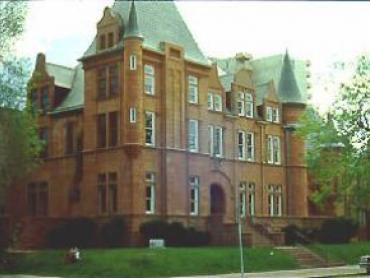
The 1890 sandstone residence with attached carriage house is a rare example of the use of Chateauesque style architecture in Denver. Thomas B. Croke, who gained fame as a merchant and experimental plant breeder and later served as a state senator, commissioned the house and lived there until he sold the property to Thomas M. Patterson in 1892.
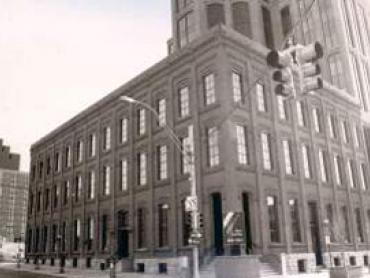
F.W. Crocker constructed the building in 1881 to house his cracker factory. The American Biscuit Manufacturing Company used the steam cracker bakery beginning in 1890 and was succeeded by the National Biscuit Company (Nabisco) which operated the bakery until approximately 1940.
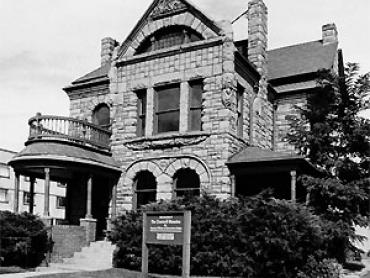
John J. Huddart designed the 1889 sandstone house for Denver businessman Joseph Creswell. Huddart was considered by his contemporaries to be one of the city’s finest architects. His buildings were known for the quality of their design and construction.
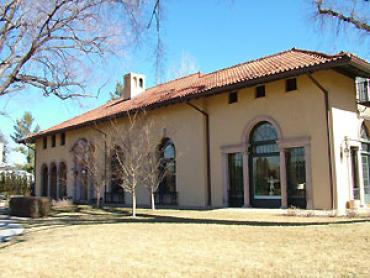
Denver architect Jules Jacques Benois Benedict designed the Cranmer House in 1917. Construction of large houses for wealthy clients was one of the principal components of Benedict’s practice, reaching its zenith in the 1920s. The Italian Renaissance style selected for the Cranmer residence was a favorite of the architect.