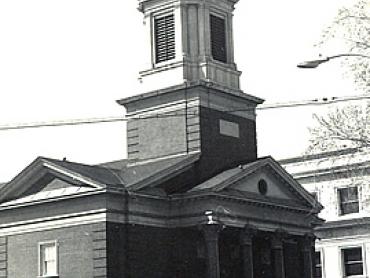
The 1938 First Baptist Church of Denver is one of the city’s rare, well-executed examples of Georgian Revival architecture. Denver architect G. Meredith Musick created the design and it stands as one of his important contributions to the city’s built environment.
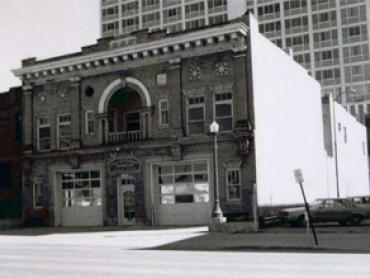
The Renaissance Revival style two-story building, of tan brick, was constructed in 1909 as the new home of Denver’s Engine Company No.1. Designed by the architectural firm of Glen W. Huntington & Company, the second floor of the facade is divided into three bays by brick pilasters that extend to an elaborate cornice.
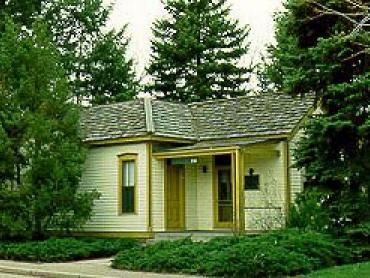
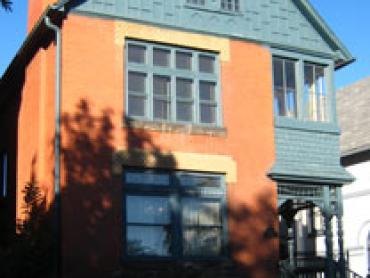
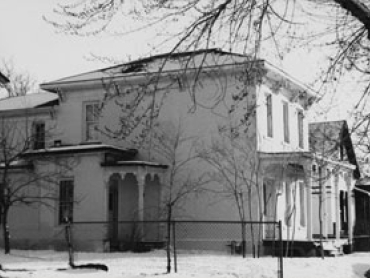
Built around 1875, this house was the home of well-known journalist and writer Eugene Field, who was the managing editor of the Denver Tribune and lived in the house from 1881 to 1883.
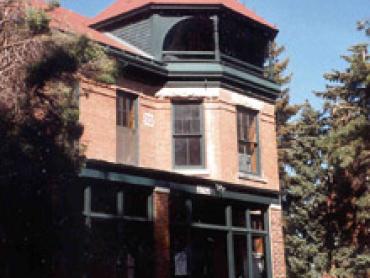
The 1889 Queen Anne style house was built by Hughes and Llewellyn from plans drawn by Franklin Goodnow for Mrs. J.N. Palmer, great aunt of Thomas Hornsby Ferril.
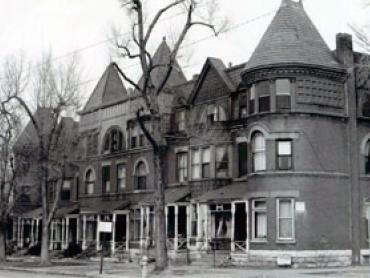
Significant for its fine examples of Victorian architecture and its association with prominent early Denverites, the district consists of eighteen structures, many of which display features of Queen Anneand Italianate architecture. Many early residents of these homes were significant to the development of commerce and education in Colorado.
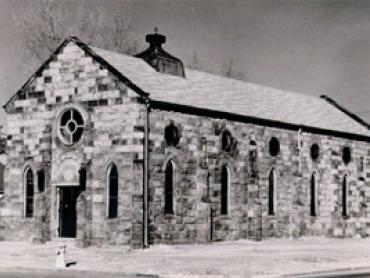
Known as Denver’s oldest standing church, the Emmanuel Shearith Israel Chapel is a stone structure that features a mixture of Romanesque and Gothic architecture. Built in 1876 by Bishop John F. Spaulding as an Episcopalian chapel, the church was originally known as Emmanuel Episcopal.
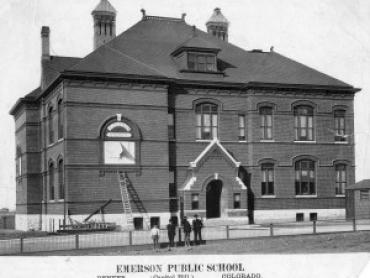
The 1885 Emerson School is the oldest surviving school designed by one of Colorado’s most important architects, Robert S. Roeschlaub. Roeschlaub began his architectural career in Denver in 1873 and continued to design buildings until 1912.
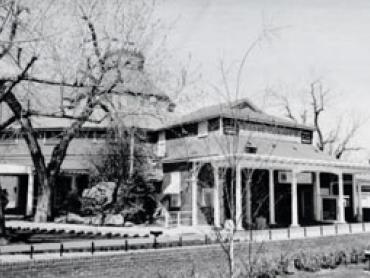
Built in 1890 by John and Mary Elitch, this theater is a representative example of 19th-century Resort style architecture. John died while on tour in 1891, leaving Mary to manage the theater and the surrounding gardens and amusement park.