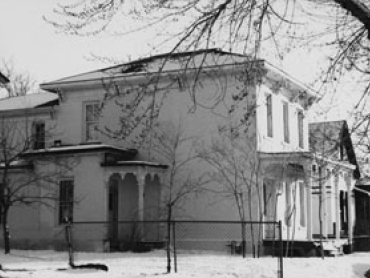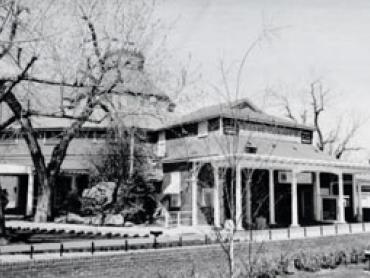
Built in 1890 by John and Mary Elitch, this theater is a representative example of 19th-century Resort style architecture. John died while on tour in 1891, leaving Mary to manage the theater and the surrounding gardens and amusement park.
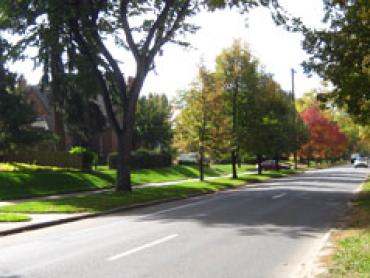
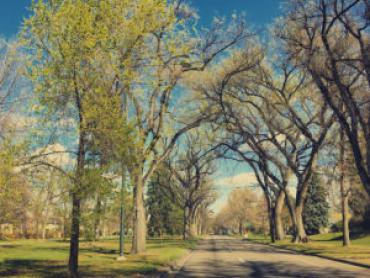
The 1.5-mile East 17th Avenue Parkway is Denver’s finest early 20th century parkway. The parkway is extraordinarily well preserved and contains a wide variety of plant materials initially specified in the planting plan by the nationally renowned Olmsted Brothers.
The 1.4-mile parkway evidences the styles of Olmsted and DeBoer, with the Olmsted portion from Williams St. to Milwaukee St. being formal and characterized by symmetrical plantings of specimen trees and formal gardens in the intervening sun spots.
Extending nearly two miles, this is the longest east/west parkway in the Denver park and parkway system and provides the setting for many fine residences.
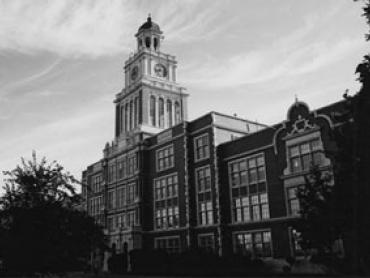
East High School opened in 1925 as an important part of a city campaign to modernize and beautify schools and other public buildings in keeping with the City Beautiful movement.
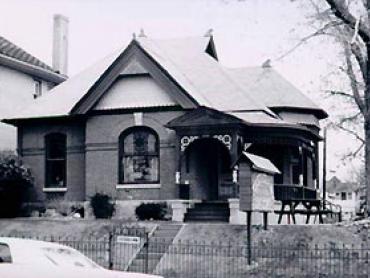
Built in 1889, the William J. Dunwoody house is significant for its high-quality craftsmanship and for its namesake, who was a successful Denver businessman. Originally from Poughkeepsie, New York, William Dunwoody first traveled to Colorado to recover from tuberculosis.
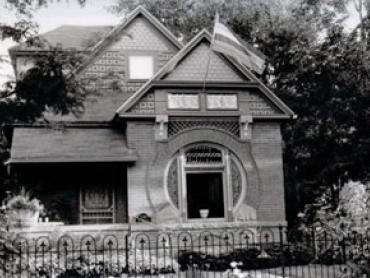
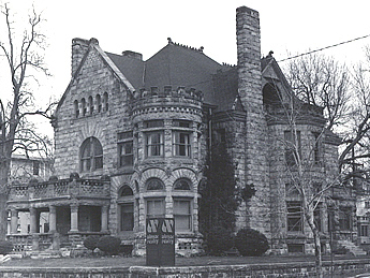
The house was constructed by well-known Denver architect William Lang, who designed over 150 homes for families of Colorado’s growing upper-middle-class between 1888 and 1893. Built in 1889, this gray stone Romanesque Revival structure was originally inhabited by Walter Dunning.