 Membership
 Donate
 Shop
Shop-
Plan Visit
Admission is Free for Kids

History Colorado Center
Denver, CO

Georgetown Loop Railroad
Georgetown, CO

El Pueblo History Museum
Pueblo, CO

Fort Garland Museum & Cultural Center
Fort Garland, CO

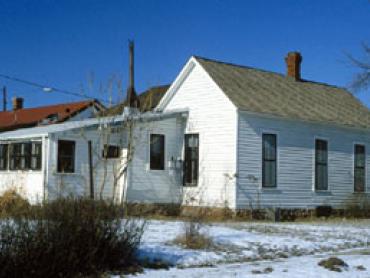
Healy House Museum & Dexter Cabin
Leadville, CO

Trinidad History Museum
Trinidad, CO

Ute Indian Museum
Montrose, CO

Center for Colorado Women’s History
Denver, CO
Featured Exhibitions
-
Attend Events
Events and Public Programs
- Rent Venues
-
For Teachers
Teachers Resources & School Programs
-
Camps
Year-Round Day Camps & Classes for Youth
- Research
- Preservation & Archaeology
- Get Involved