the disCOurse is a place for people to share their lived experiences and their perspectives on the past with an eye toward informing our present. Here, a medical sociologist and social scientist argue that to truly arrive at equity in America will require a sincere reckoning with founding mythologies of white superiority.
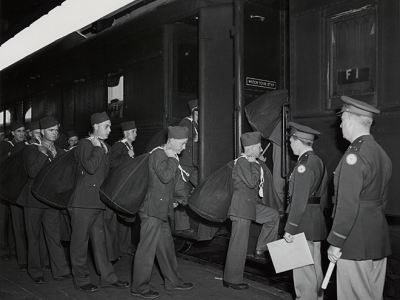
Though many miles away from shipyards, aviation plants, and tank production facilities, Coloradans played an outsized role in the World War II conflict, and in bringing the troops back home.
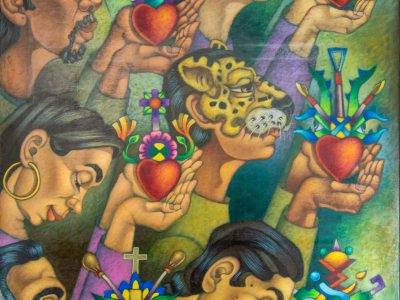
An anthropologist, educator, and Chicano/a murals scholar looks at artist David O. Garcia's dynamically colorful reimagining of Norman Rockwell's 1940s-era Freedom of Worship.
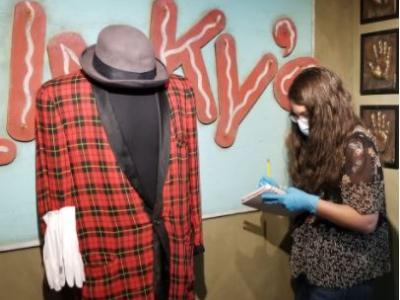
Simple cues can trigger powerful memories. It could be the trace smell of baked bread, the muted touch of a wool blanket, seeing the intricate details on a Christmas ornament, tasting a scrumptious dish or hearing the first, chiming notes of a melody. For these four women, a flood of memories started with just three letters: W.A.C.
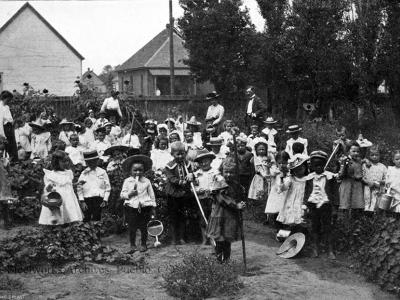
After we ran an article in August exploring the history of outdoor classrooms in Colorado and around the country, the Steelworks Center of the West brought to our attention another experiment in outdoor education that took place in Colorado. We’re pleased to share their story in The Colorado Magazine.
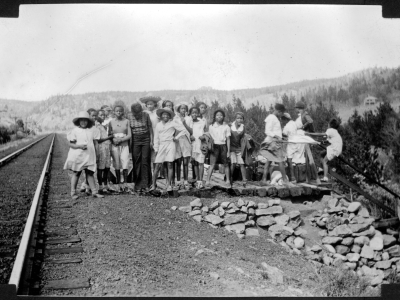
When temperatures soared in cramped, noisy cities, Colorado’s higher elevations promised chilly nights and mild days spent fishing, camping, and hiking under shady pine trees. Unlike their white counterparts, however, African Americans could not head just anywhere in the mountains. Not far outside of Denver, Lincoln Hills, a vacation community developed for Black people, represented both an escape from the city and an escape from segregation.