There’s a wonderful pop art quality to the card. Mickey Mantle stands in a heroic pose against a brilliant sky blue background, shouldering his bat as he gazes up into the distance. It’s the sort of iconic portrait an artist might have created to celebrate Mantle’s spectacular achievements in retrospect, but somehow Topps got it exactly right at the beginning. And for three days in Denver this July 10–12, you can see it for yourself.
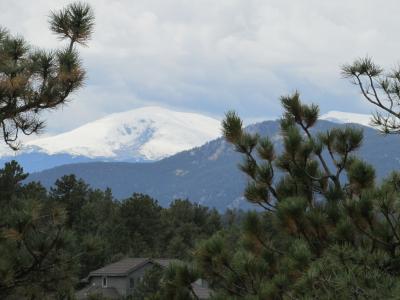
Mayor Federico Peña’s campaign vision to “Imagine a Great City'' catalyzed the development of Denver and its region from the 1980s onward. Against the backdrop of a boom-and-bust economy, major public projects shaped the trajectory of the city along with its residents’ grassroots advocacy.
Generations of Jewish Coloradans have spent summer days at Camp Shwayder and the JCC Ranch Camp. Colorado’s mountains have provided the ideal setting for distinctly western Jewish American experiences. Ariel Schnee examines this lesser-known side of Jewish identity in Colorado.
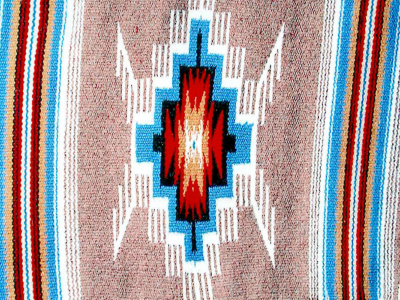
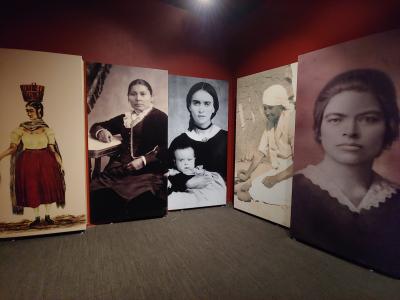
Far beyond Eppie Archuleta’s technical abilities, awards, and accolades as a master weaver, she was a weaver of artistry and legacy—her work strengthened by the warp of her ancestors and enriched by the weft of faith, love, and kindness.
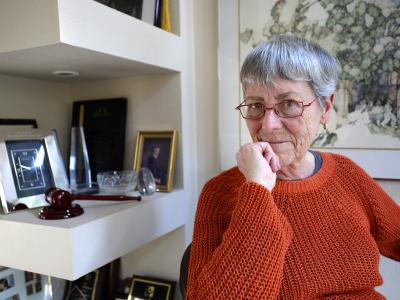
In 1995, Boulder attorney Jean Dubofsky stood before nine U.S. Supreme Court justices to plead the case against Amendment 2, the 1992 amendment to the Constitution of the State of Colorado denying protections to gays and lesbians. On May 20, 1996, the Court ruled the amendment unconstitutional.
This essay first appeared in the November/December 2016 issue of Colorado Heritage, and is an edited excerpt from the author’s book Appealing for Justice: One Colorado Lawyer, Four Decades, and the Landmark Gay Rights Case: Romer v. Evans.
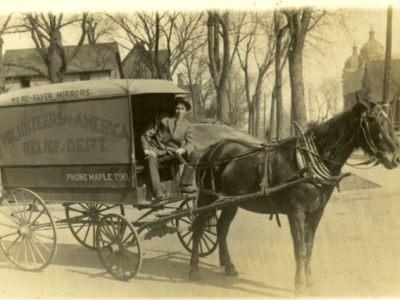
The disCOurse is a place for people to share their lived experiences and their perspectives on the past with an eye toward informing our present. Here, a member of the Volunteers of America team recognizes an organization that’s provided more than a century of compassionate aid to communities in need in Colorado and throughout the nation.
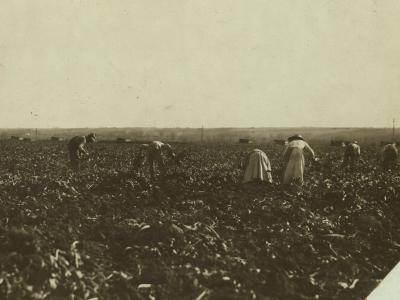
Volga Germans, also referred to as German-Russians, came from the Russian steppes of the Volga River to Colorado between the late-nineteenth and early-twentieth centuries to labor in the sugar beet fields. The history of their settlement in Colorado is woven into the larger history of immigration in the United States during this period.